Judgment of the Bilbao Provincial Court
Apolozan case · ERDF fraud (Bilbao / Alicante / EU)
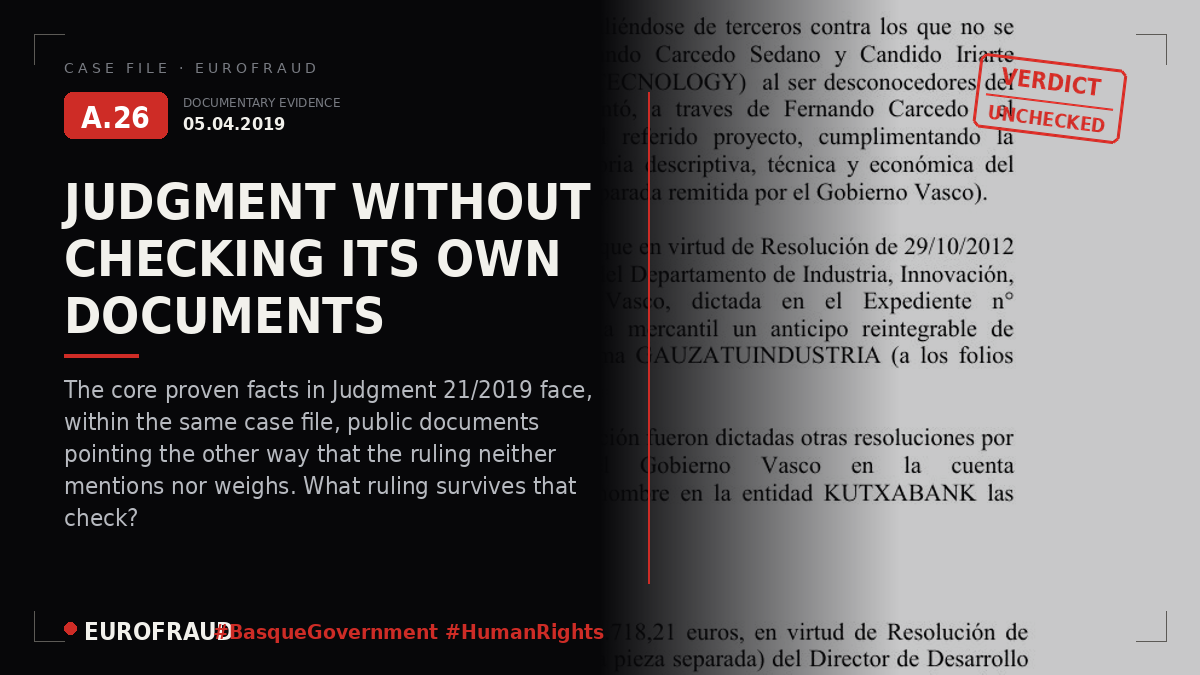
A judgment is examined by what it declares proven and by the support of each declaration. This annex allows both exercises.
The resolution
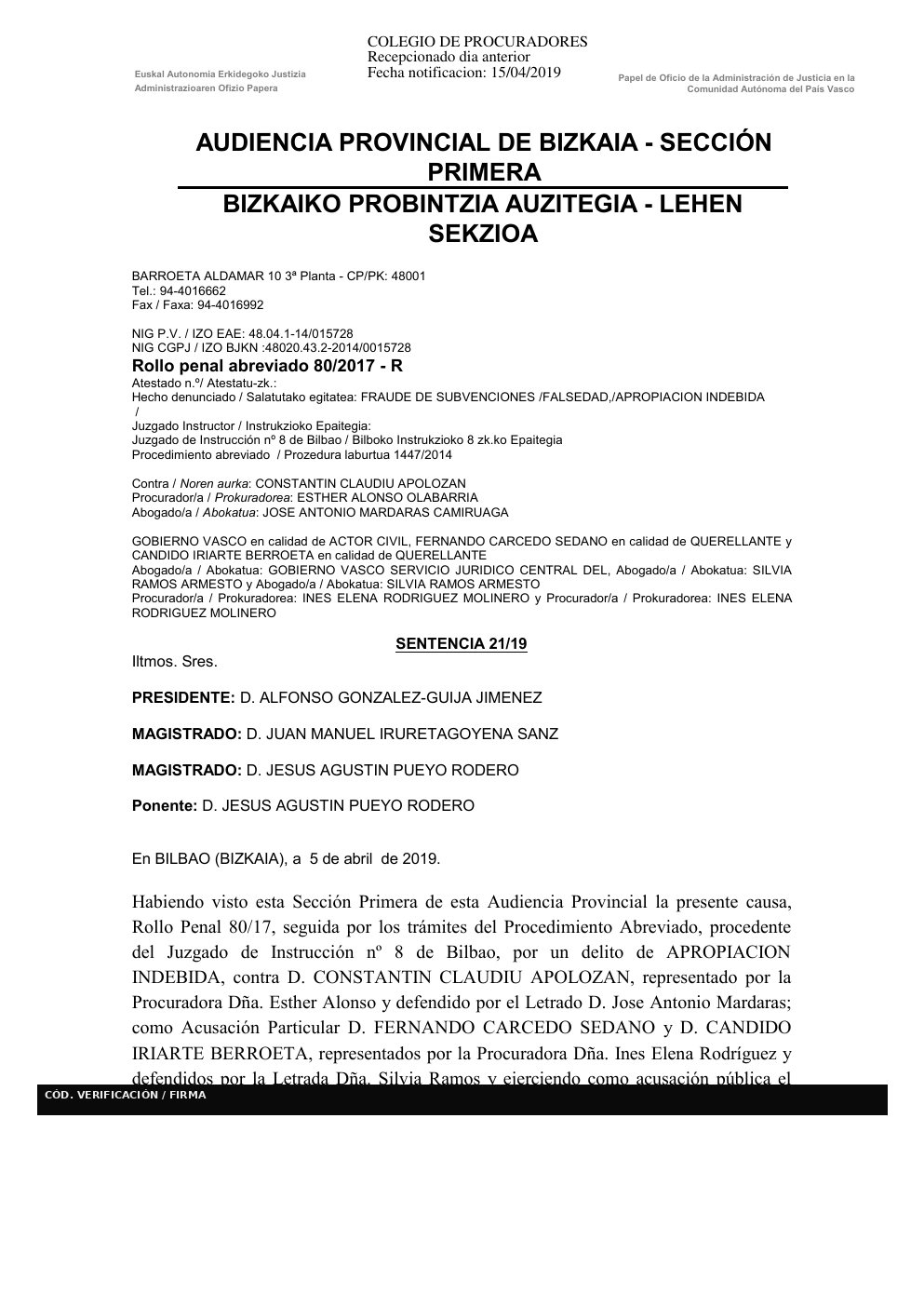
- Judgment 21/2019, of 5 April 2019, First Section of the Provincial Court of Bizkaia; notification of 15 April.
- Court: Mr Alfonso González-Guija Jiménez (presiding), Mr Juan Manuel Iruretagoyena Sanz and Mr Jesús Agustín Pueyo Rodero (rapporteur); intervention of prosecutor Mr José Manuel Ortiz Márquez.
- Verdict: convicts Apolozan to a sentence close to nine years' imprisonment, in accordance with the prosecution's thesis (A.11).
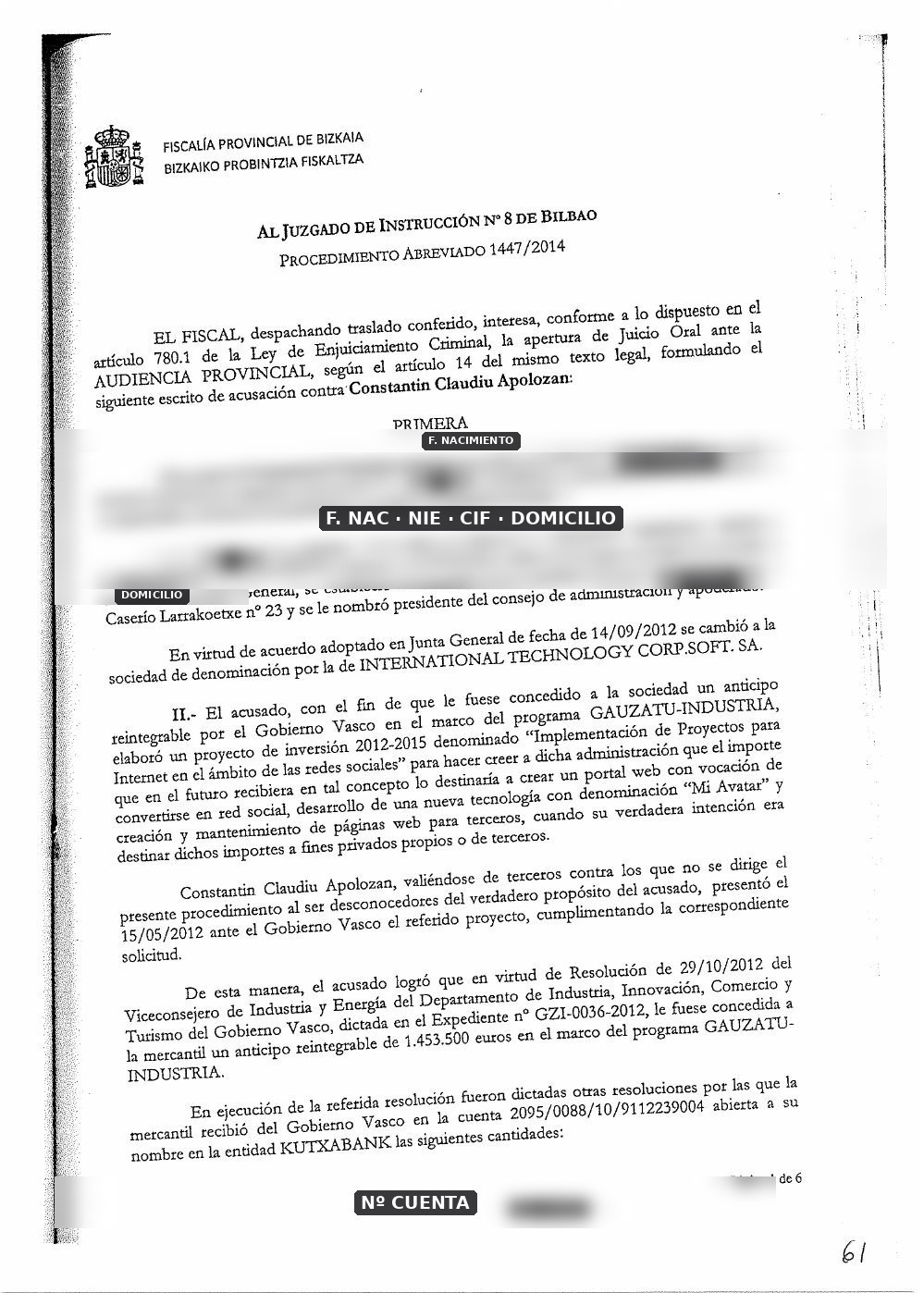
Each proven fact, with its document opposite
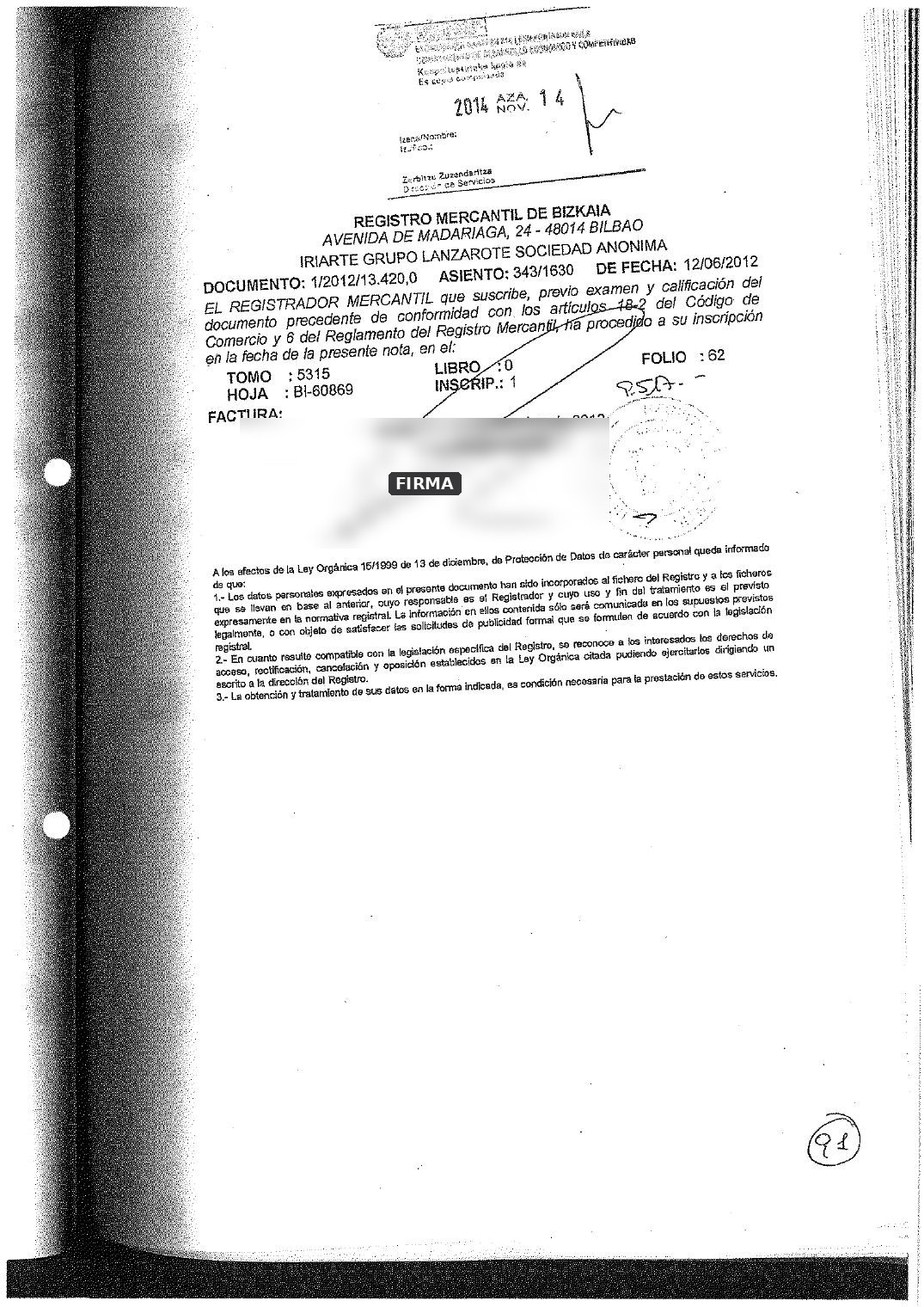
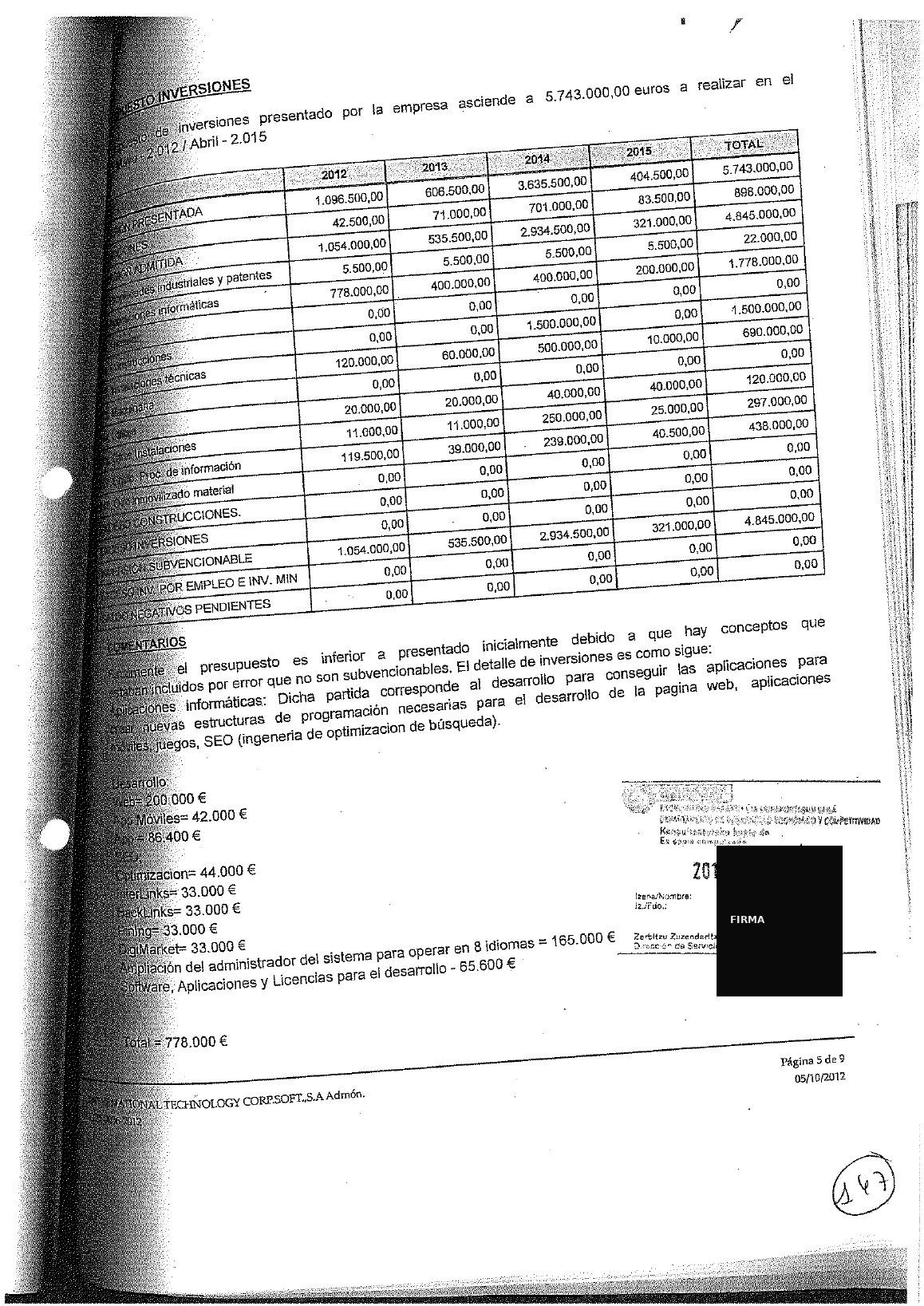
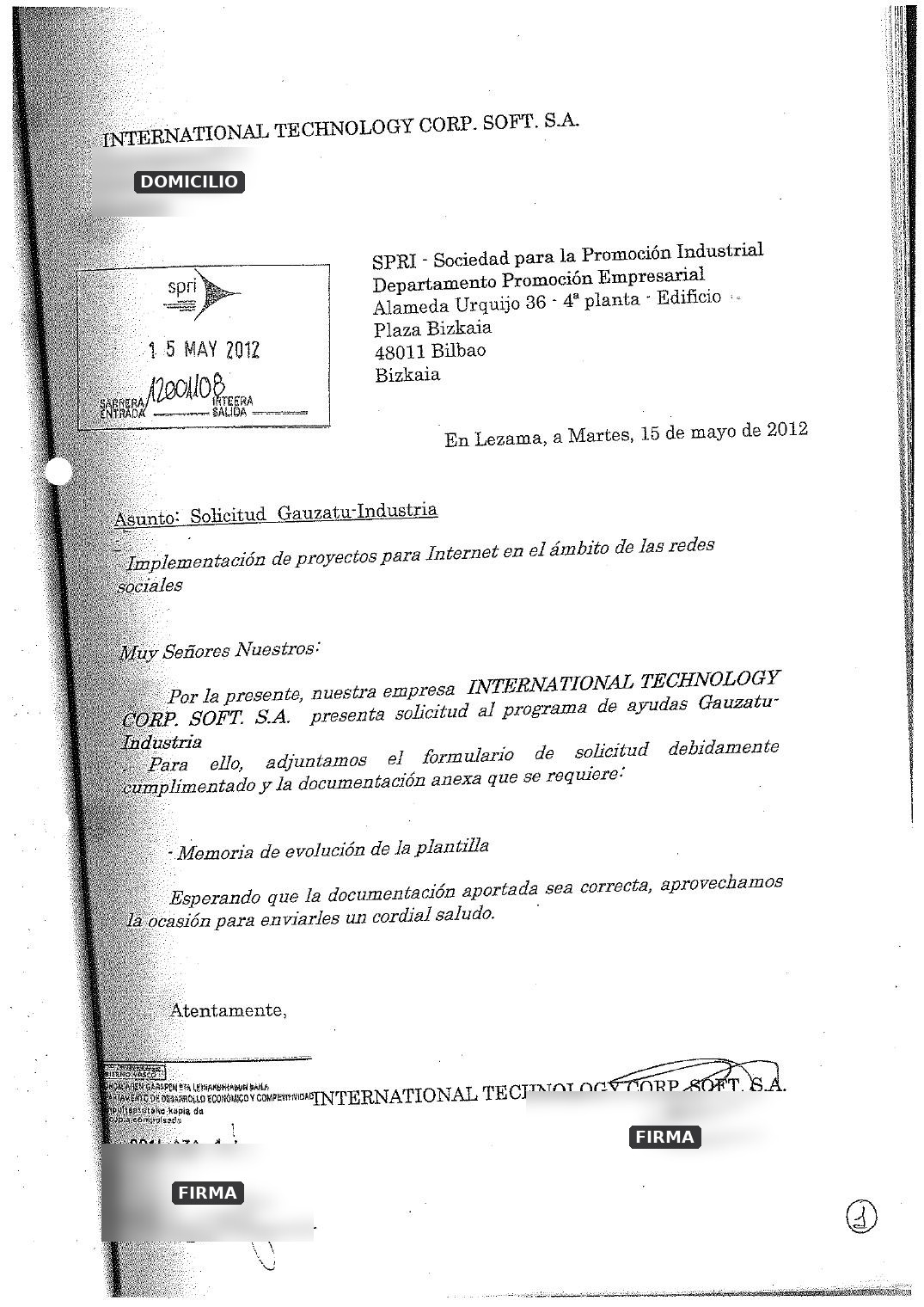
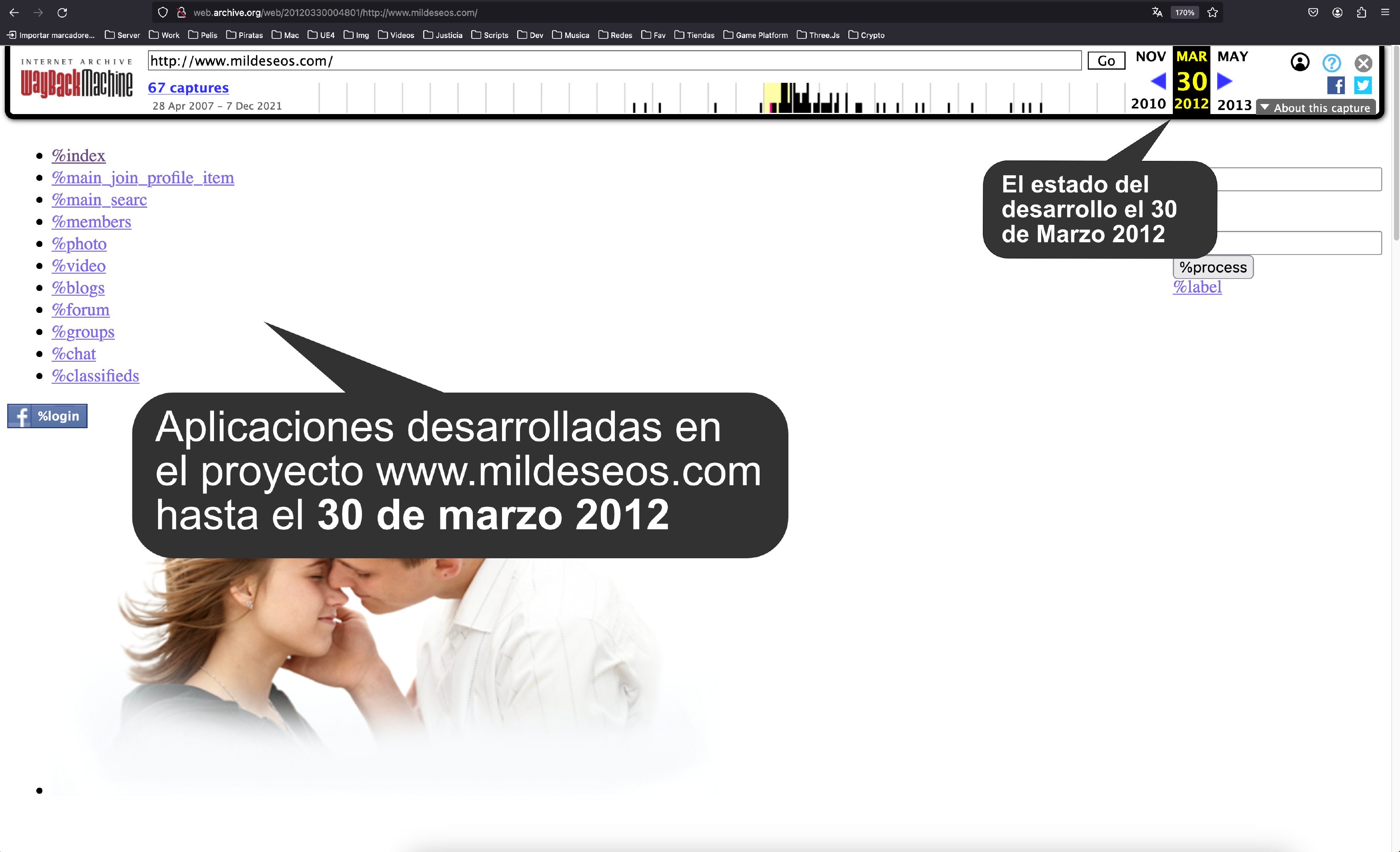
- It declares the administration and management of the company since May 2012 — the deeds date the incorporation to 14 September 2012 (A.1) and the Registry keeps the entry suspended until 6 September (A.3).
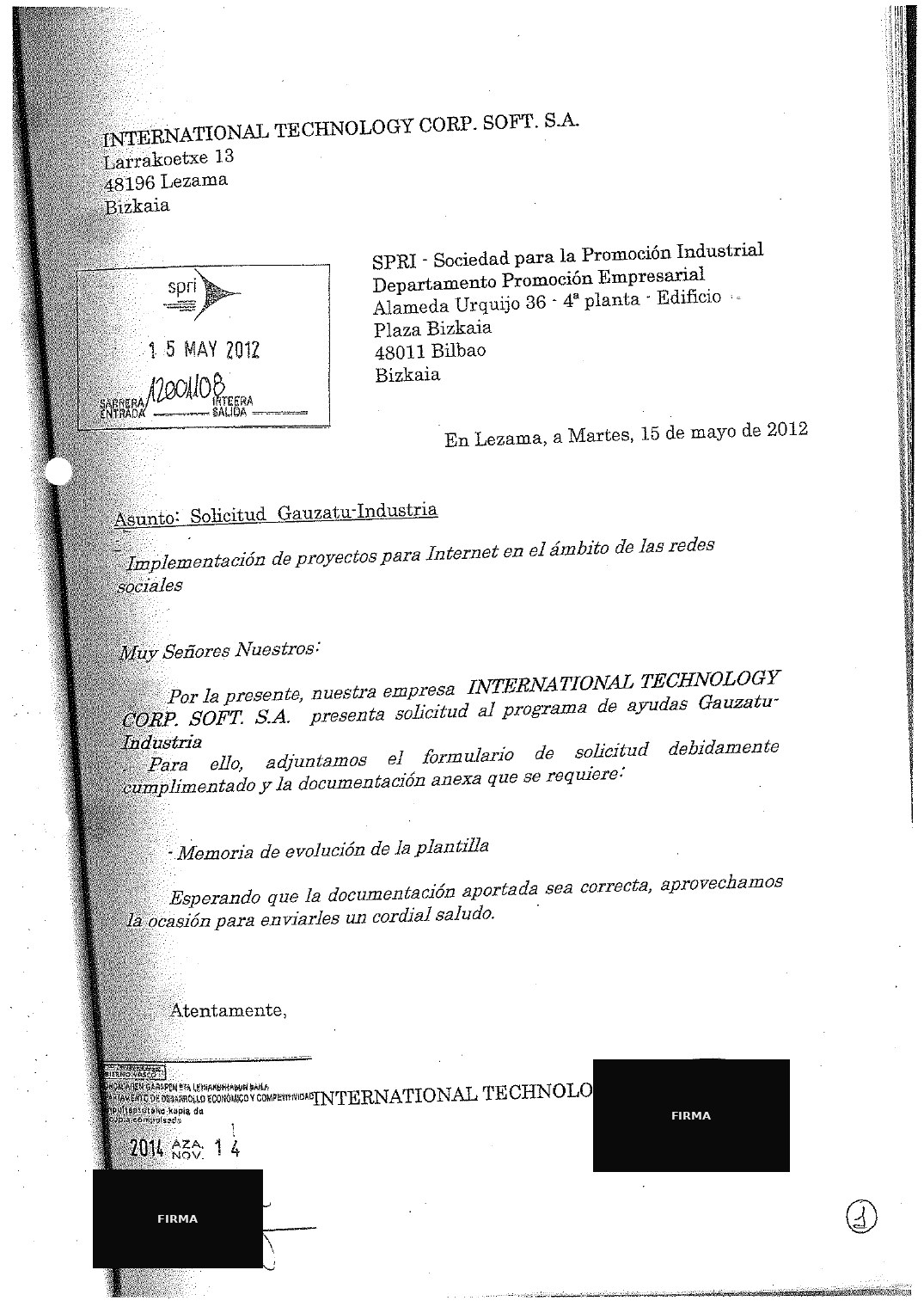
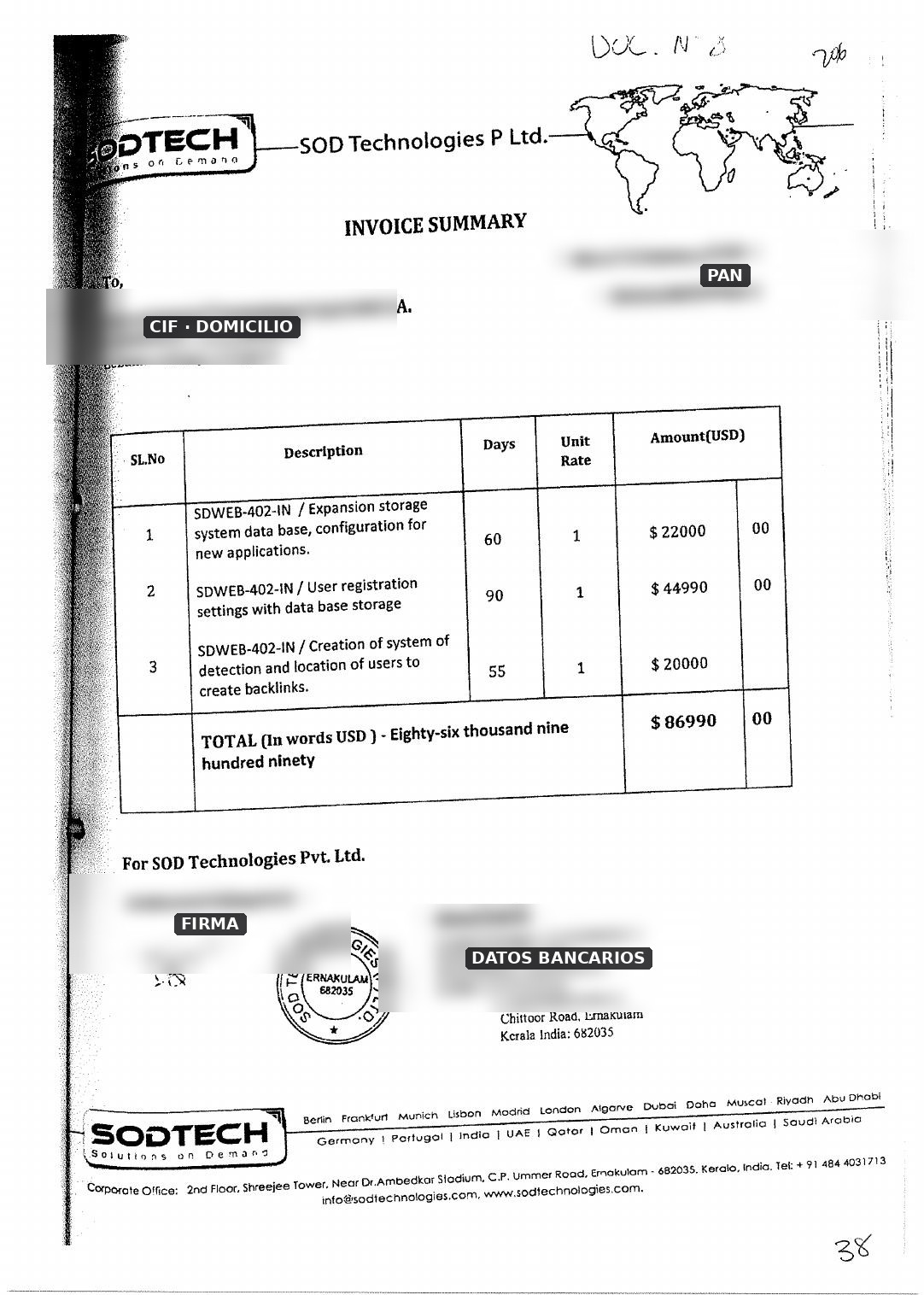
- It assumes the release of funds against fictitious invoices — the file documents two inspections of materialised investment before each payment, required by the Order of 21-5-2007 and Article 60.b) of EC Regulation 1083/2006 (A.5, A.10, A.23).
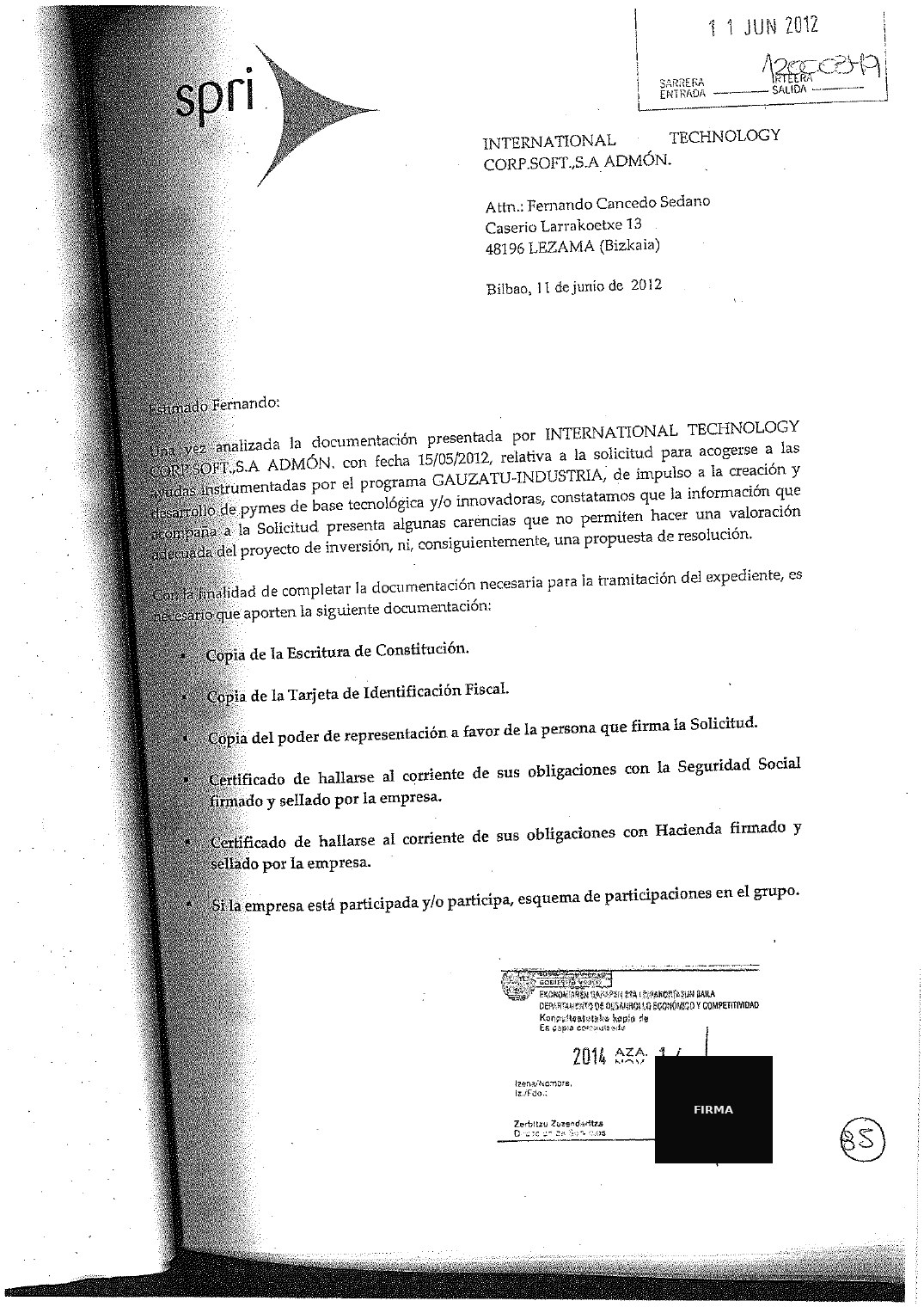
- It does not weigh the complainant's statement at the plenary itself acknowledging the investment — playable from this very card with the "See the sequence" button (A.22, A.39.3) —, nor the requirement of powers never complied with (A.4).
The conditions under which it was handed down
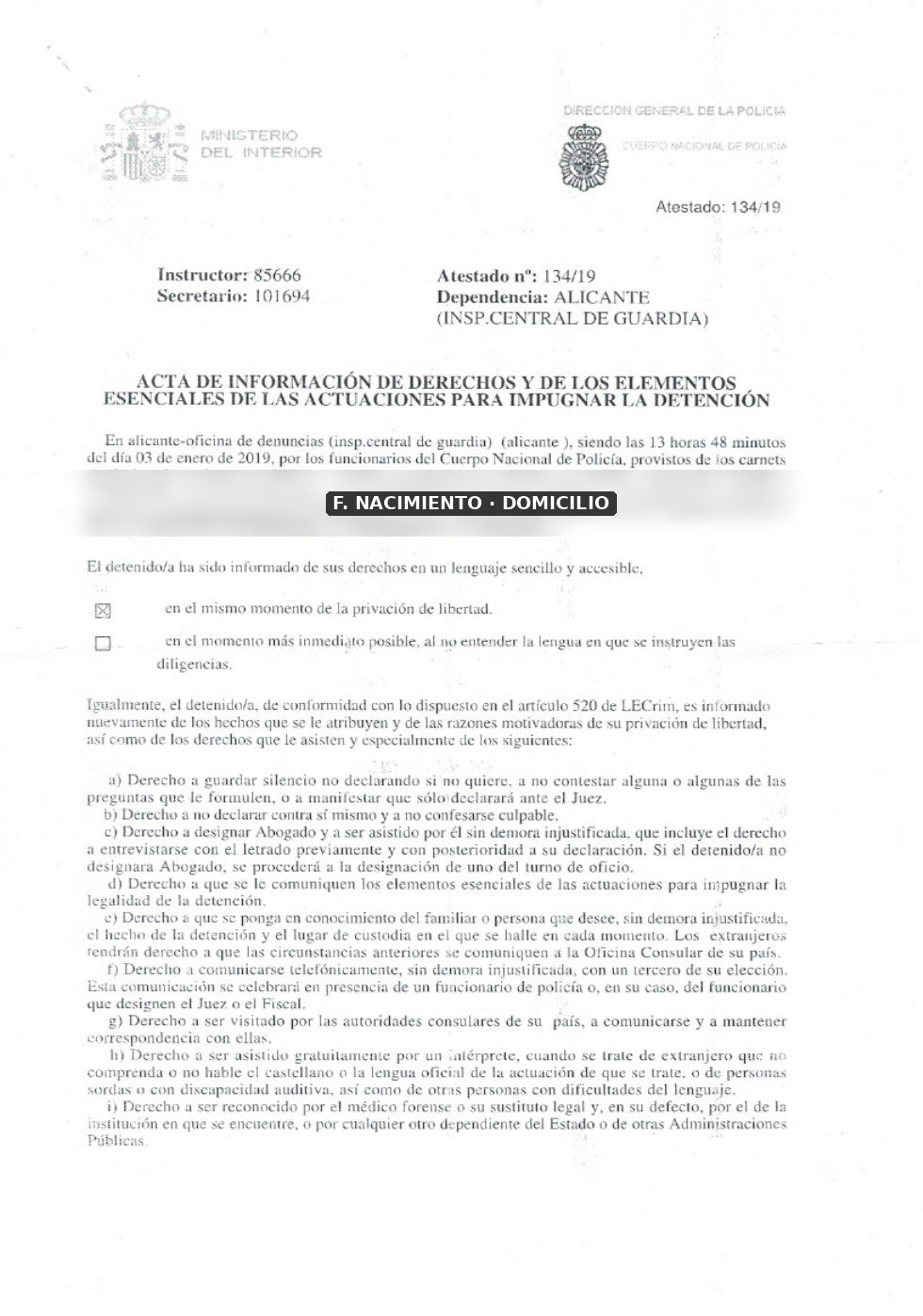
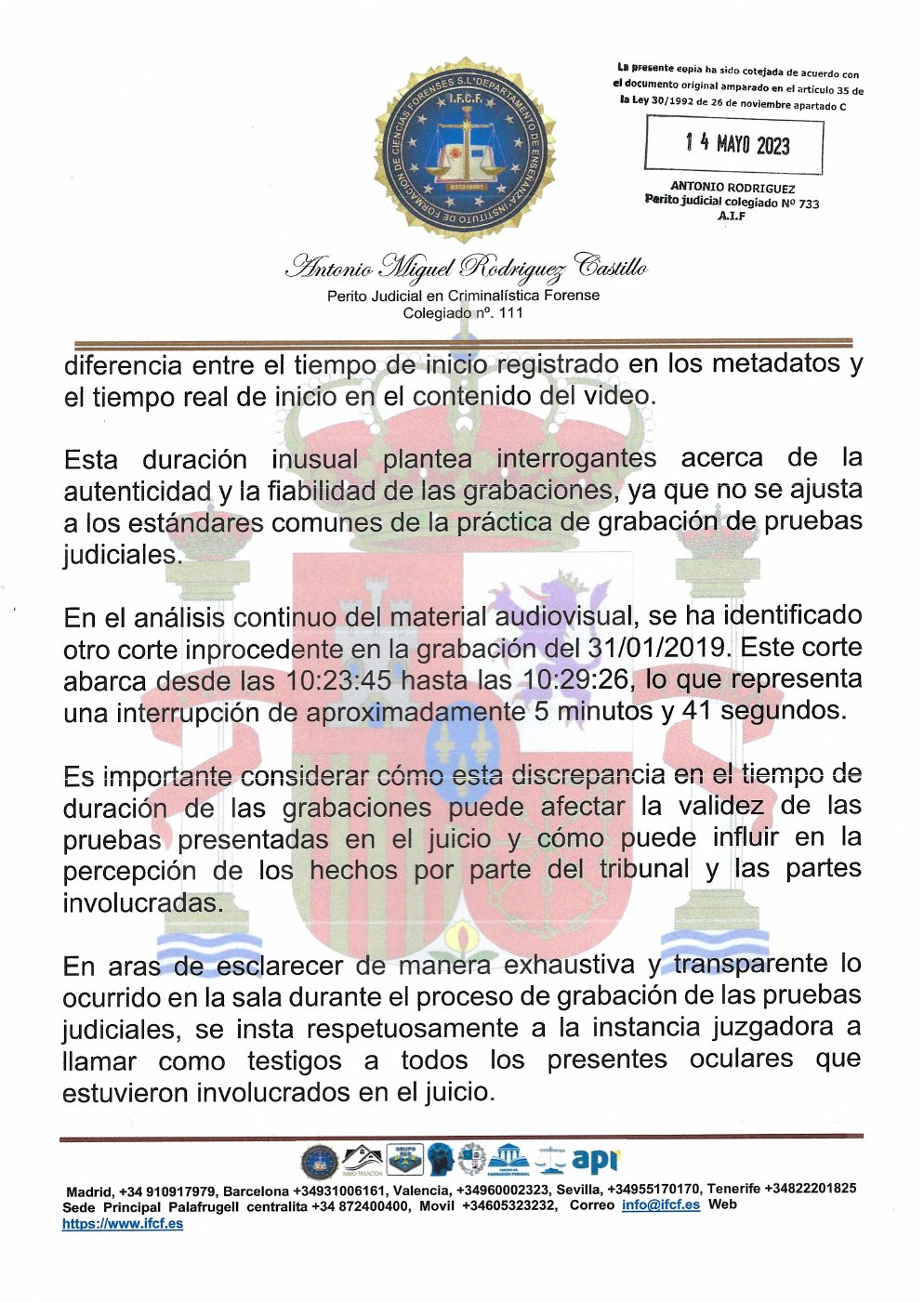
Weeks before the hearing, the court itself had ordered the arrest and imprisonment of the accused for a non-location the police report contradicted — a measure later set aside (A.16). The audiovisual record of the trial shows the cuts, the staging of the opening and the absent stretches documented by expert report (A.18, A.21, A.22, A.33). Article 741 of the Criminal Procedure Act orders the assessment of the evidence taken at trial; the taking of several of those items has no complete record.
Its position in the file
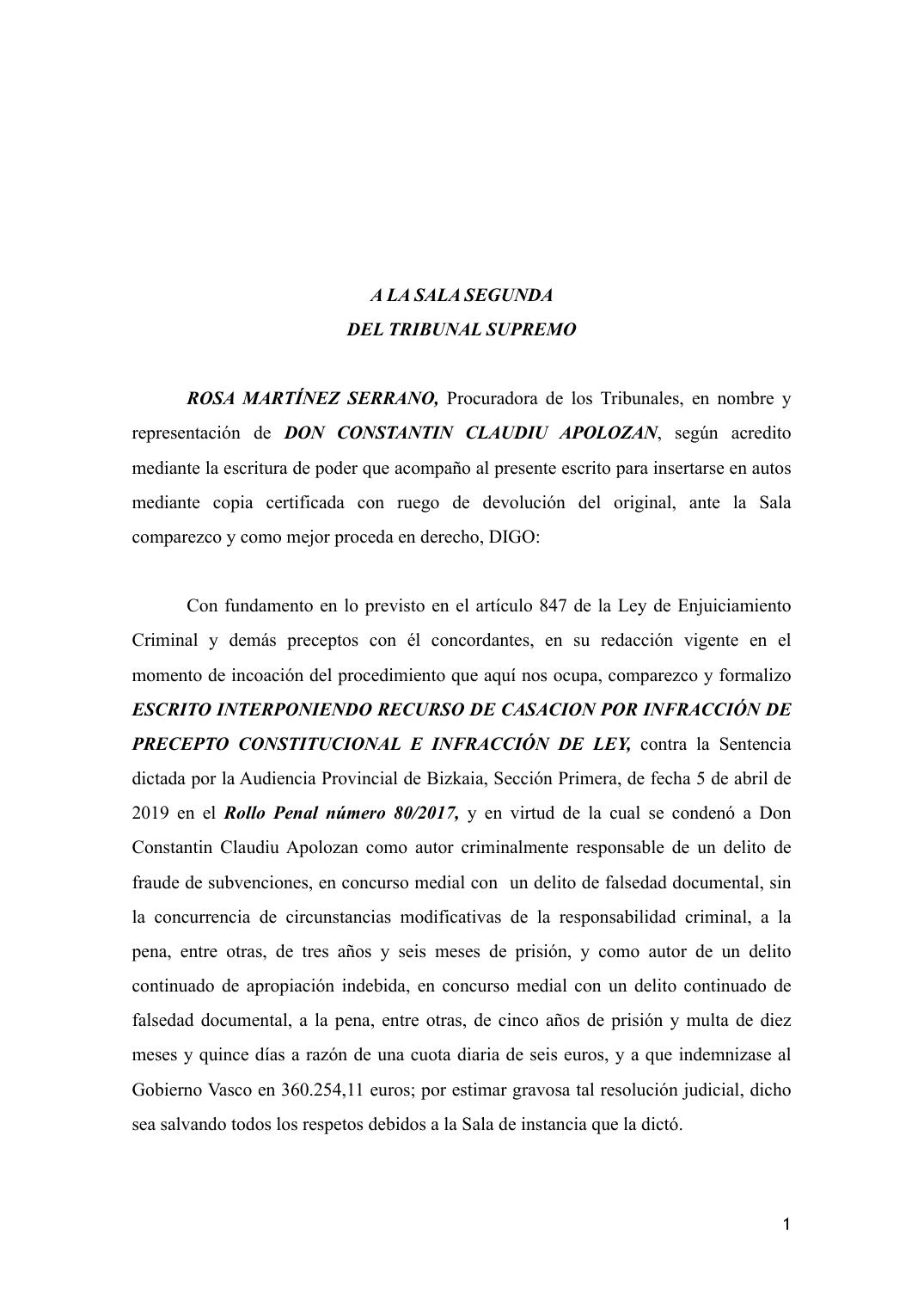
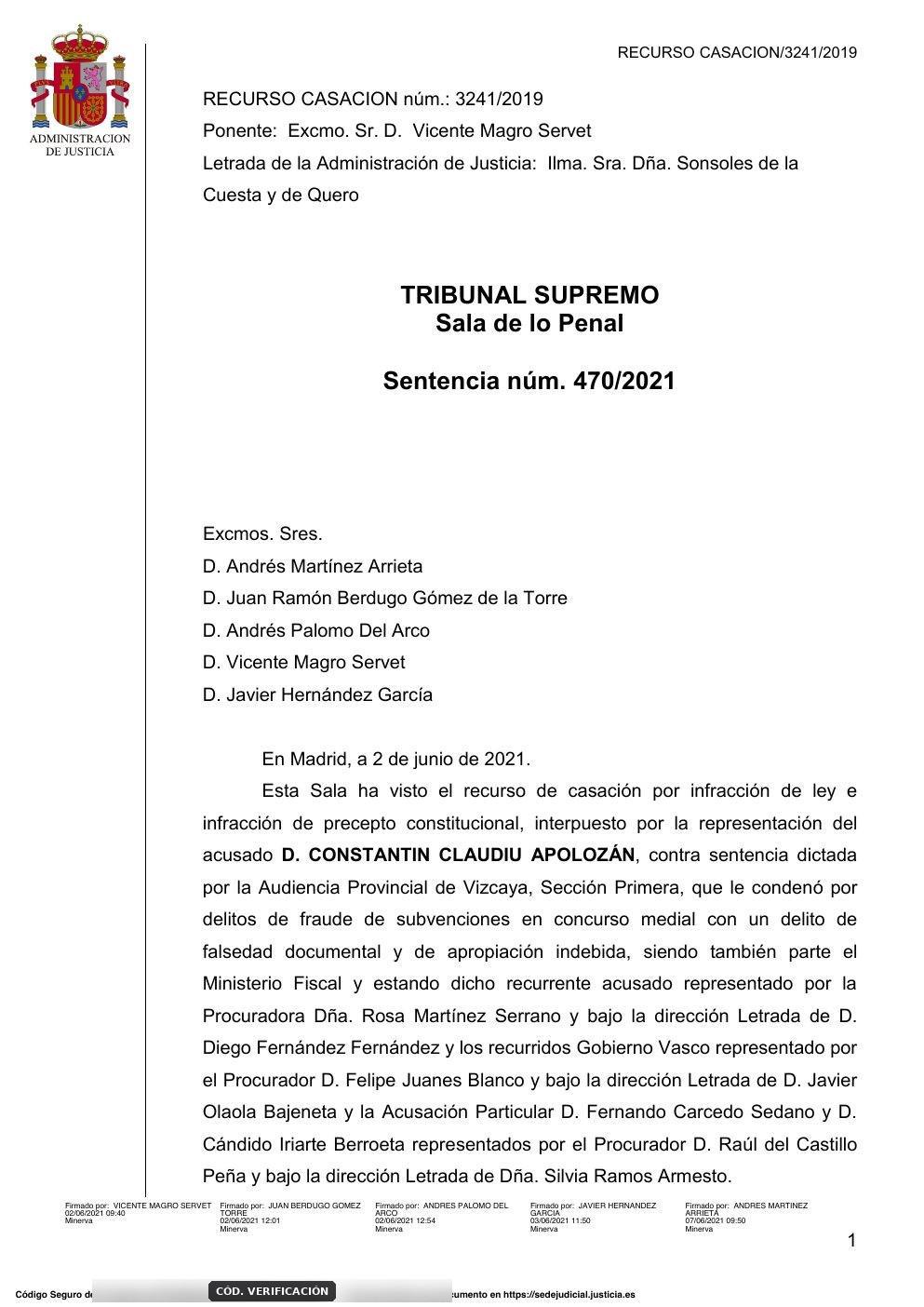
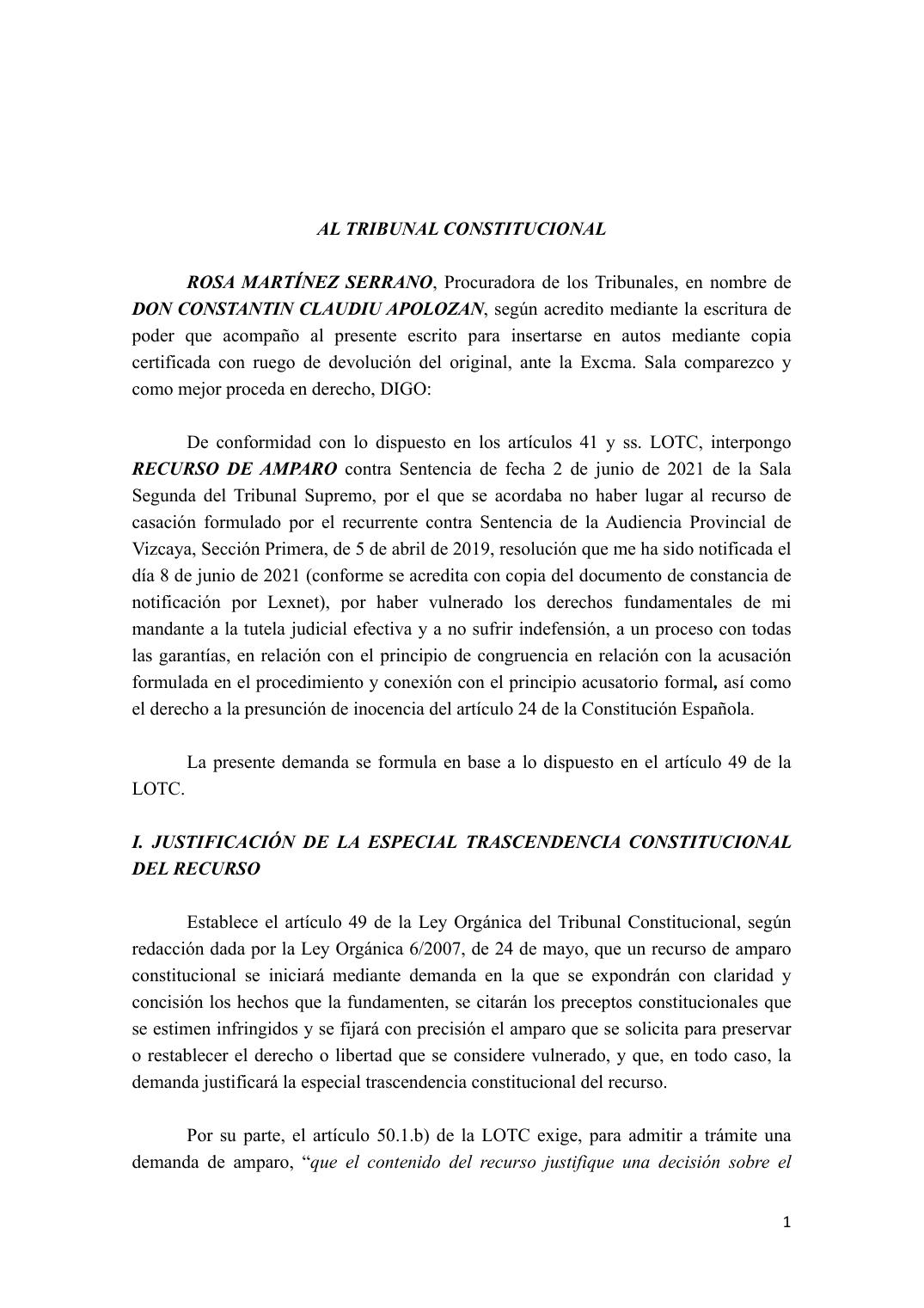
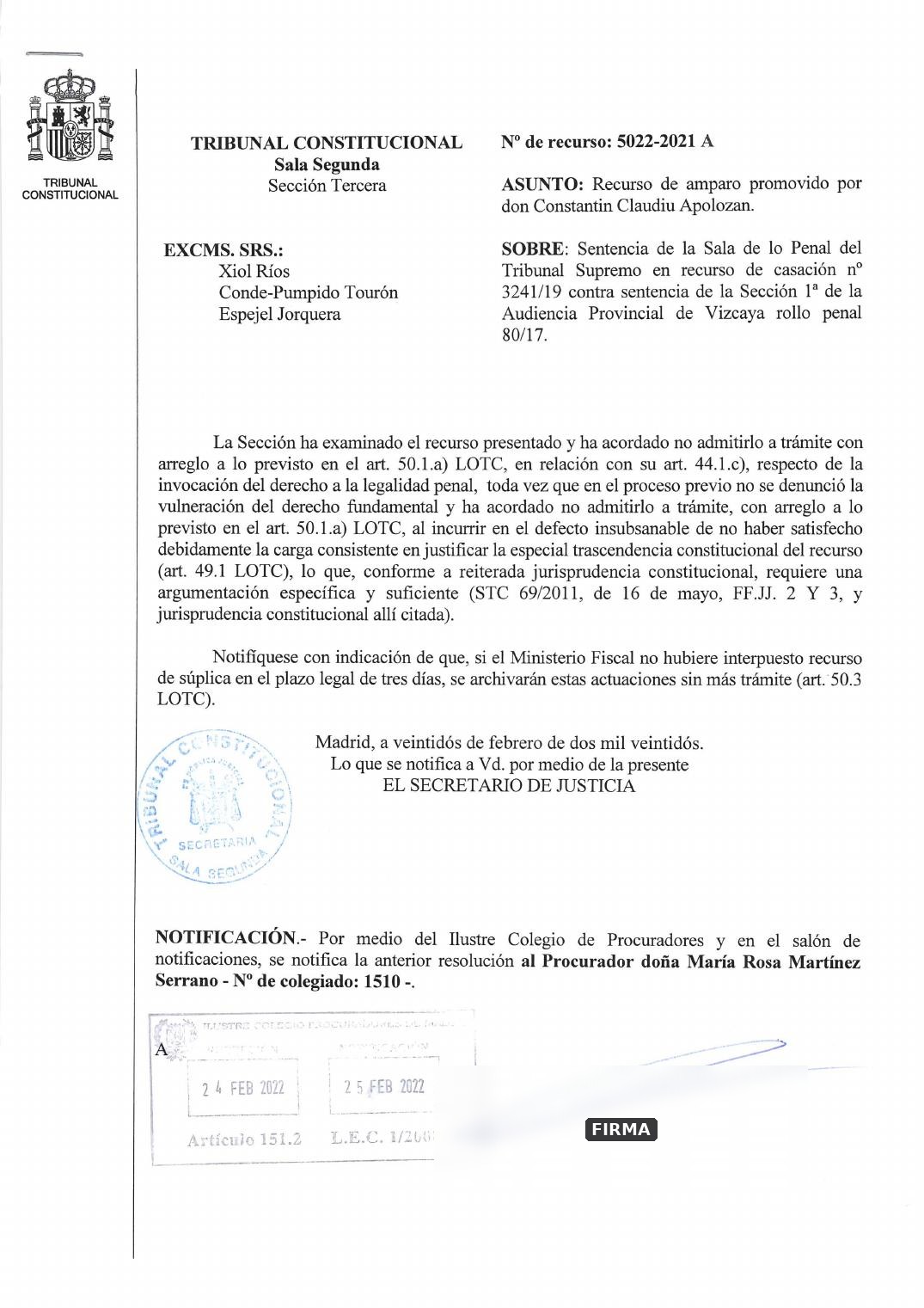
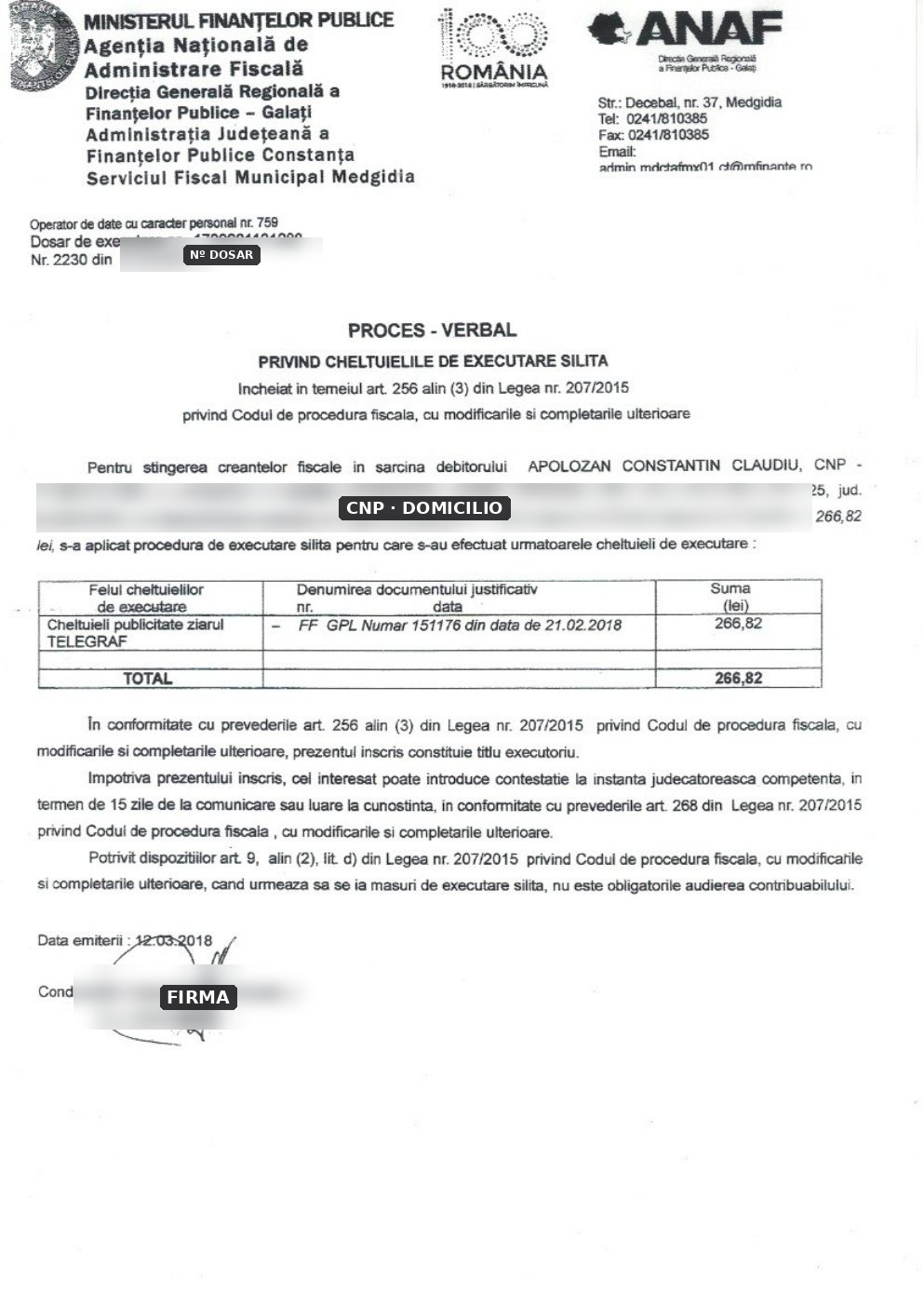
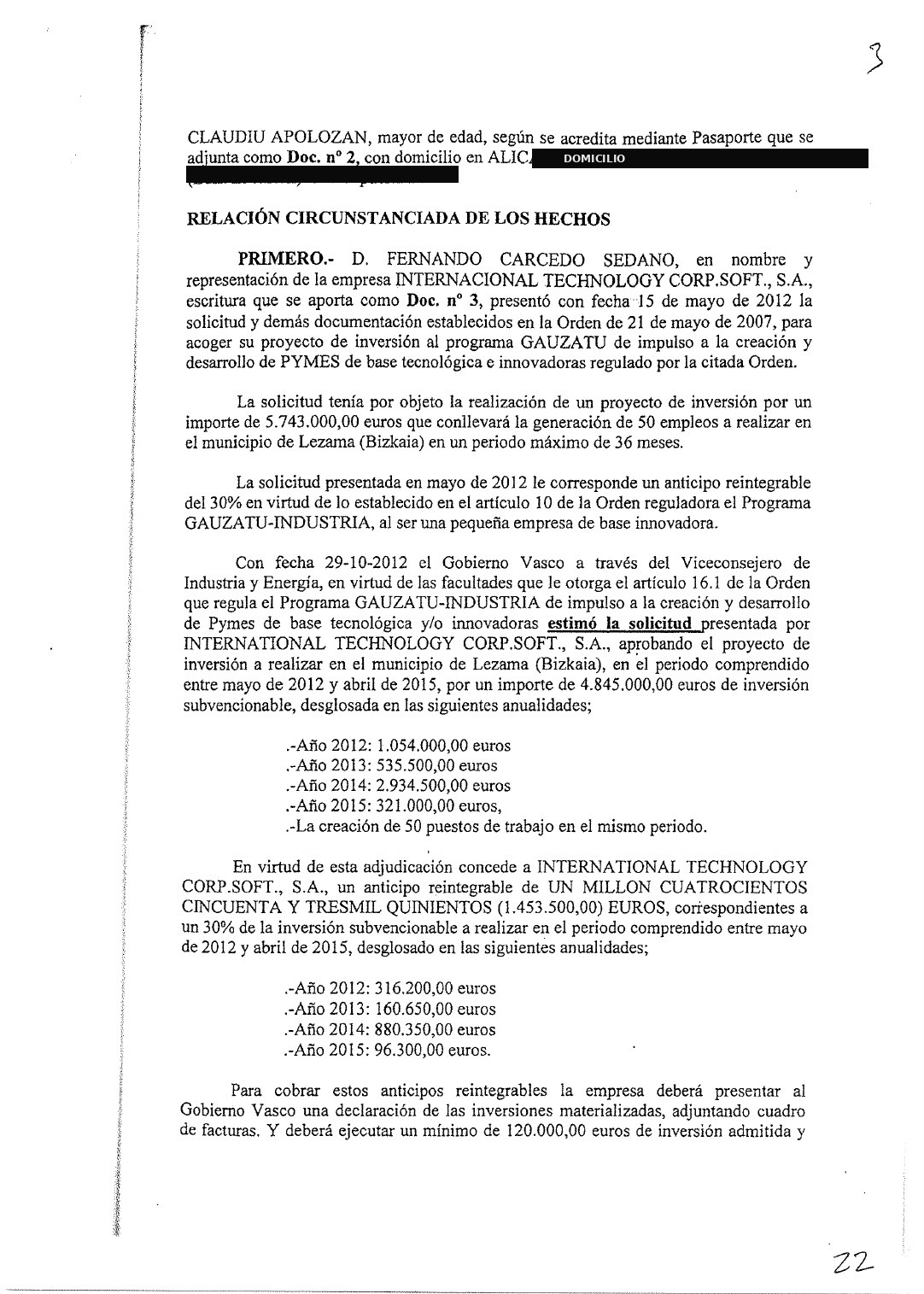
It is the central piece of the judicial phase: from it derive the cassation (A.28, A.29), the constitutional appeal (A.30, A.31), the European applications (A.32, A.39) and the patrimonial enforcement (A.41). The comparison of its proven facts against annexes A.1–A.25 is the exercise this file leaves ready — document by document, with each piece a click away.
The chain, in dates
→ 29-4-2014 — complaint of Carcedo and Iriarte (A.8) → 17-10-2016 — extended prosecution accusation (A.11) → 31-1/18-2-2019 — trial, with its record in question (A.18, A.22) → 5-4-2019 — this judgment: 8.6 years and €400,000 → 2-6-2021 — cassation dismissed (A.29) → 22-2-2022 — constitutional appeal not admitted (A.31)
How to verify it
Take each core proven fact and look for its supporting document in the case; then take each document of this chronology and look for it in the judgment. The double comparison — what sustains the judgment and what the judgment silenced — is within reach of any reader.
Contrast with the original file
The served copy of Judgment 21/2019 appears in Bilbao Original (DOC-0162, DOC-0163), together with the clarification order (DOC-0119), the Prosecutor's brief following the verdict (DOC-0120) and the complete Court Roll (DOC-0145, DOC-0146).
Documentary evidence · A.26 · 5 April 2019 · Appeals and jurisdictional review
EuroFraud case file · every statement links to its document (A.X / DOC-XXXX). Evidentiary material; every person named is presumed innocent.