Defamation in the Media
Apolozan case · ERDF fraud (Bilbao / Alicante / EU)
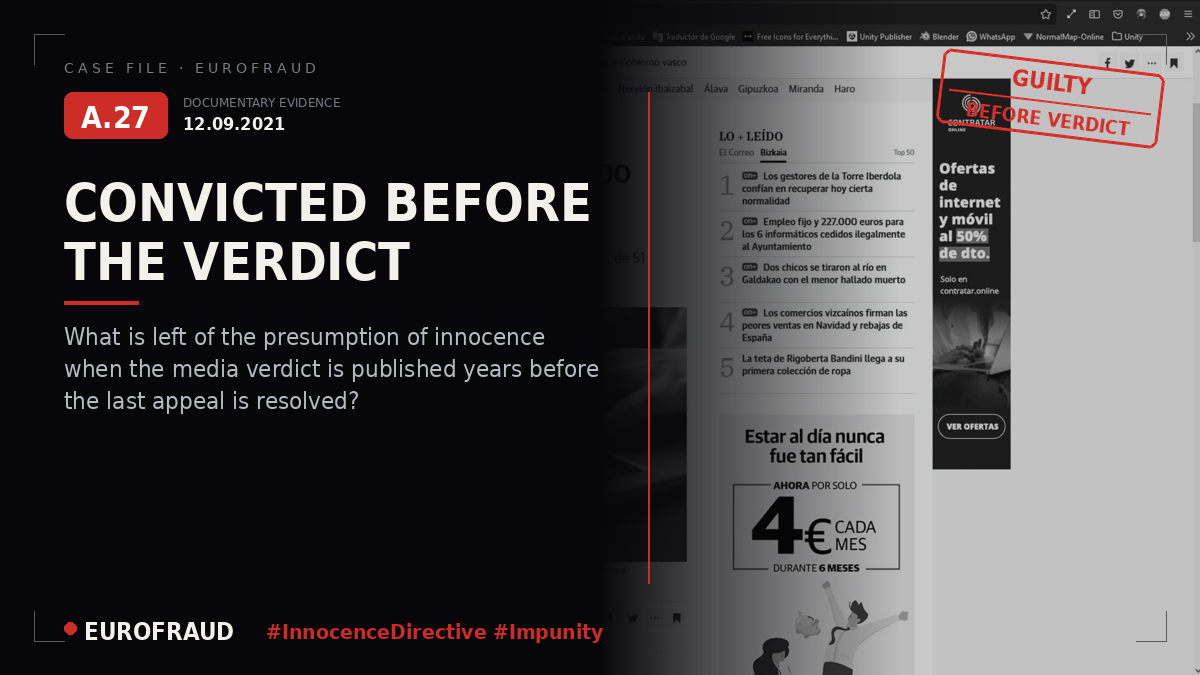
This annex does not dispute the press's right to report a conviction. It documents something else: how it was reported, when and with what contrast.
What it contains
- Copies of publications in digital media and press of Spain and Romania, dated between 2018 and 2024 — among them a piece of 12 September 2021.
- The pieces present the affected person as the author of a fraud, in terms of a consummated fact.
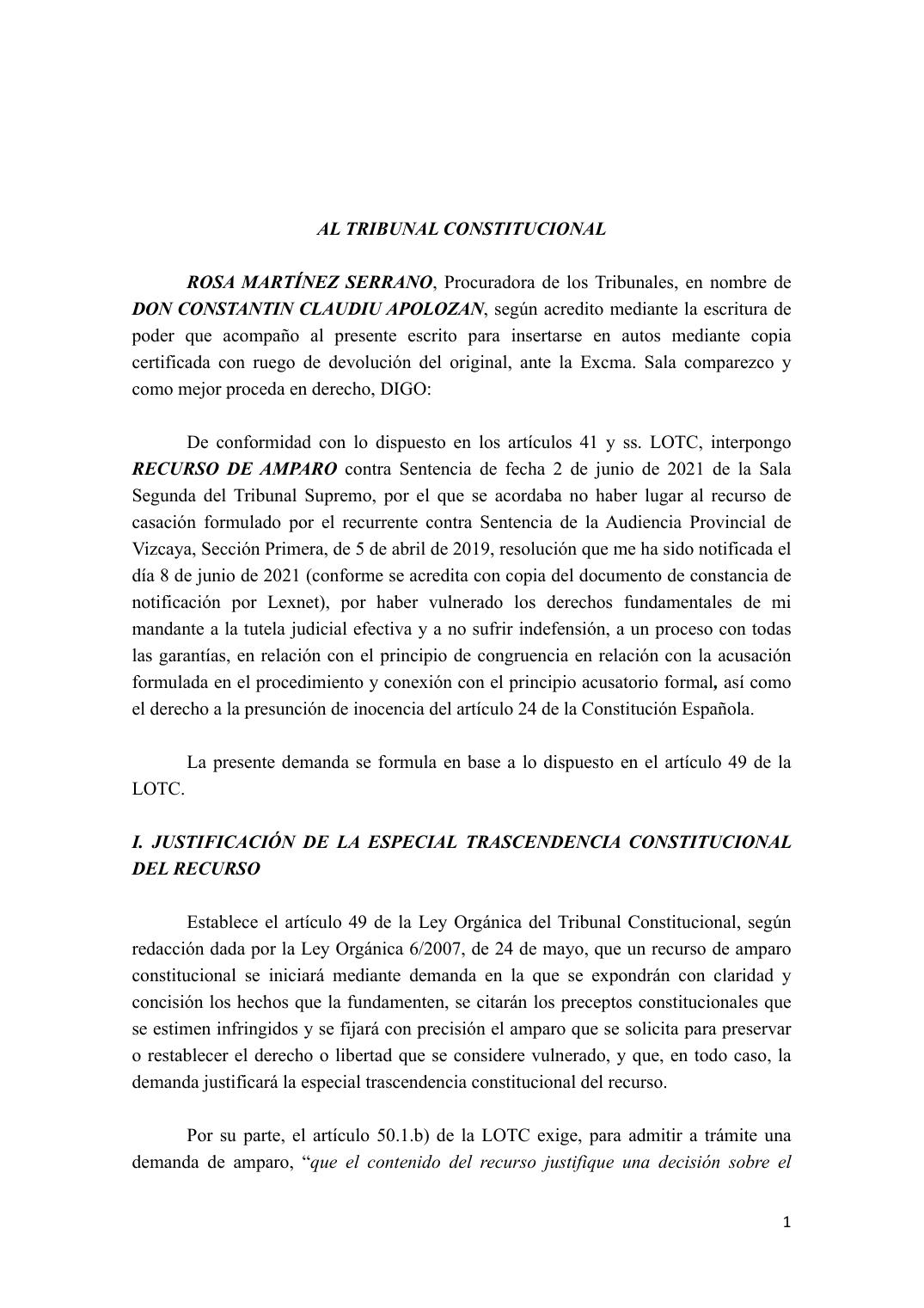
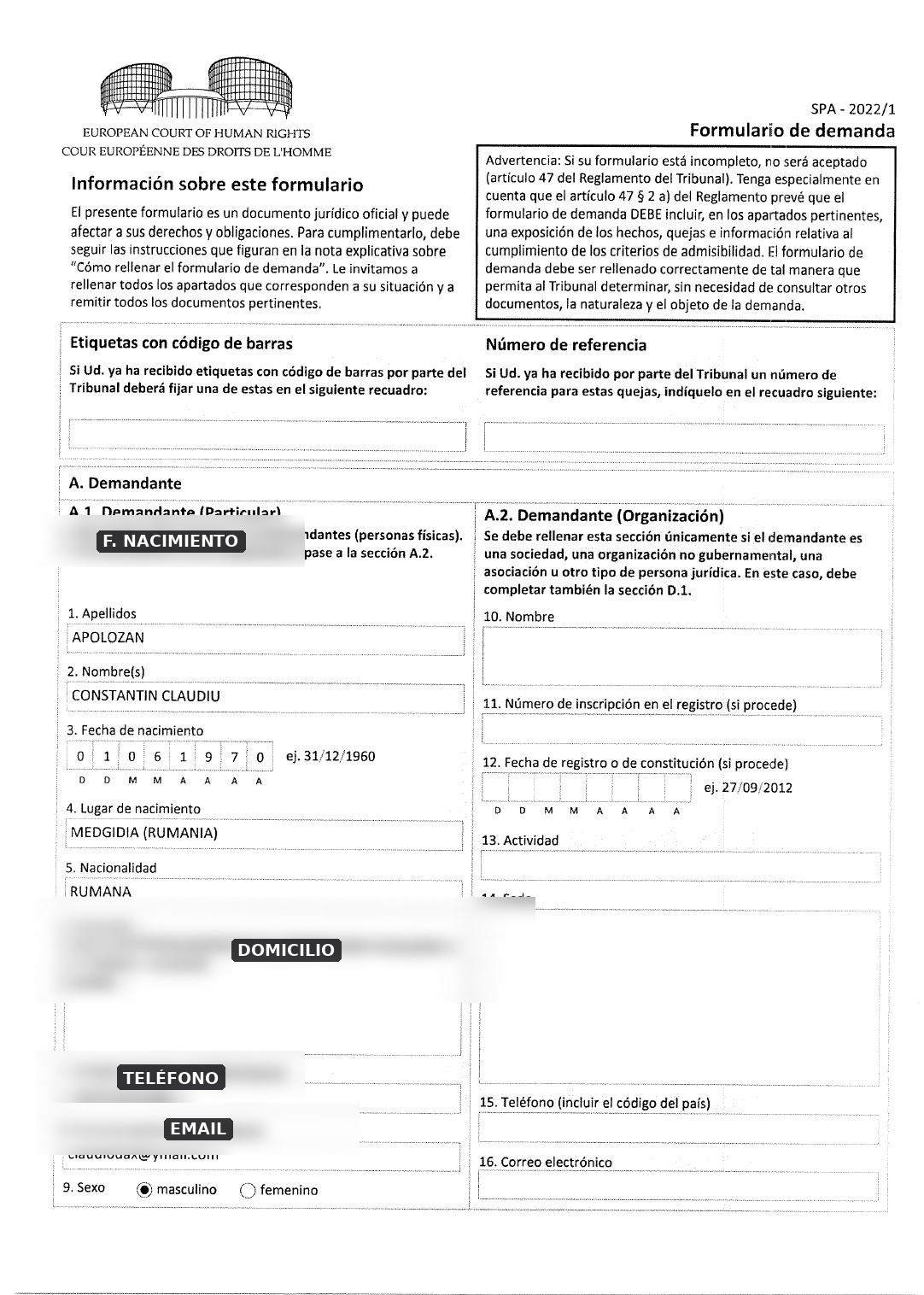
- On the dates of publication the following were pending: the constitutional appeal (A.30, until February 2022), the applications before the ECtHR (A.32, A.39) and the review before the Supreme Court (A.36, until February 2024).
The applicable framework
Directive (EU) 2016/343, on the strengthening of the presumption of innocence, obliges States to ensure that public references to guilt are not made while no final resolution exists on all avenues; Article 6.2 of the ECHR and Article 24.2 of the Constitution enshrine the same principle. The first-instance conviction existed; the exhaustion of appeals did not.
What the pieces do not contain
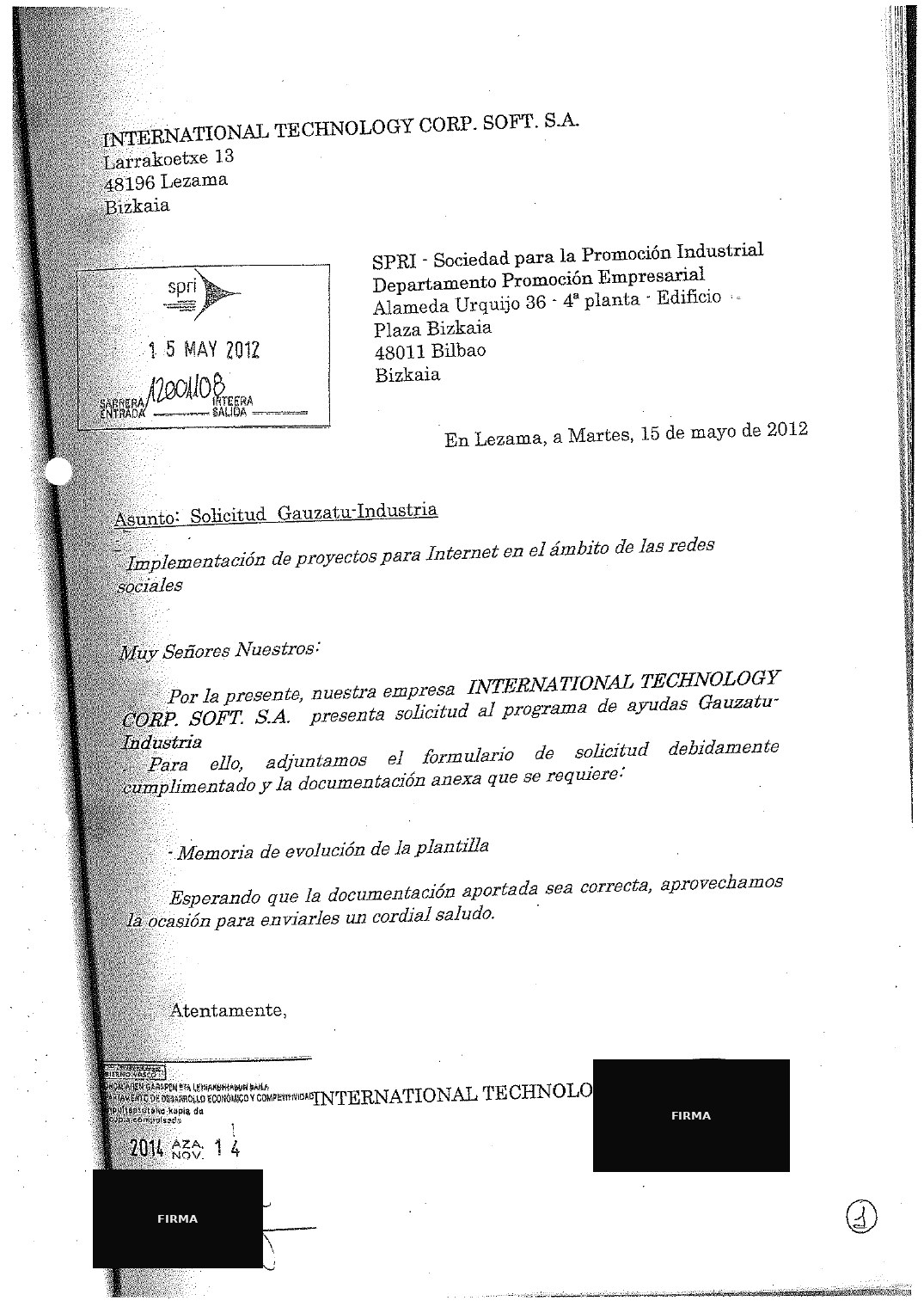
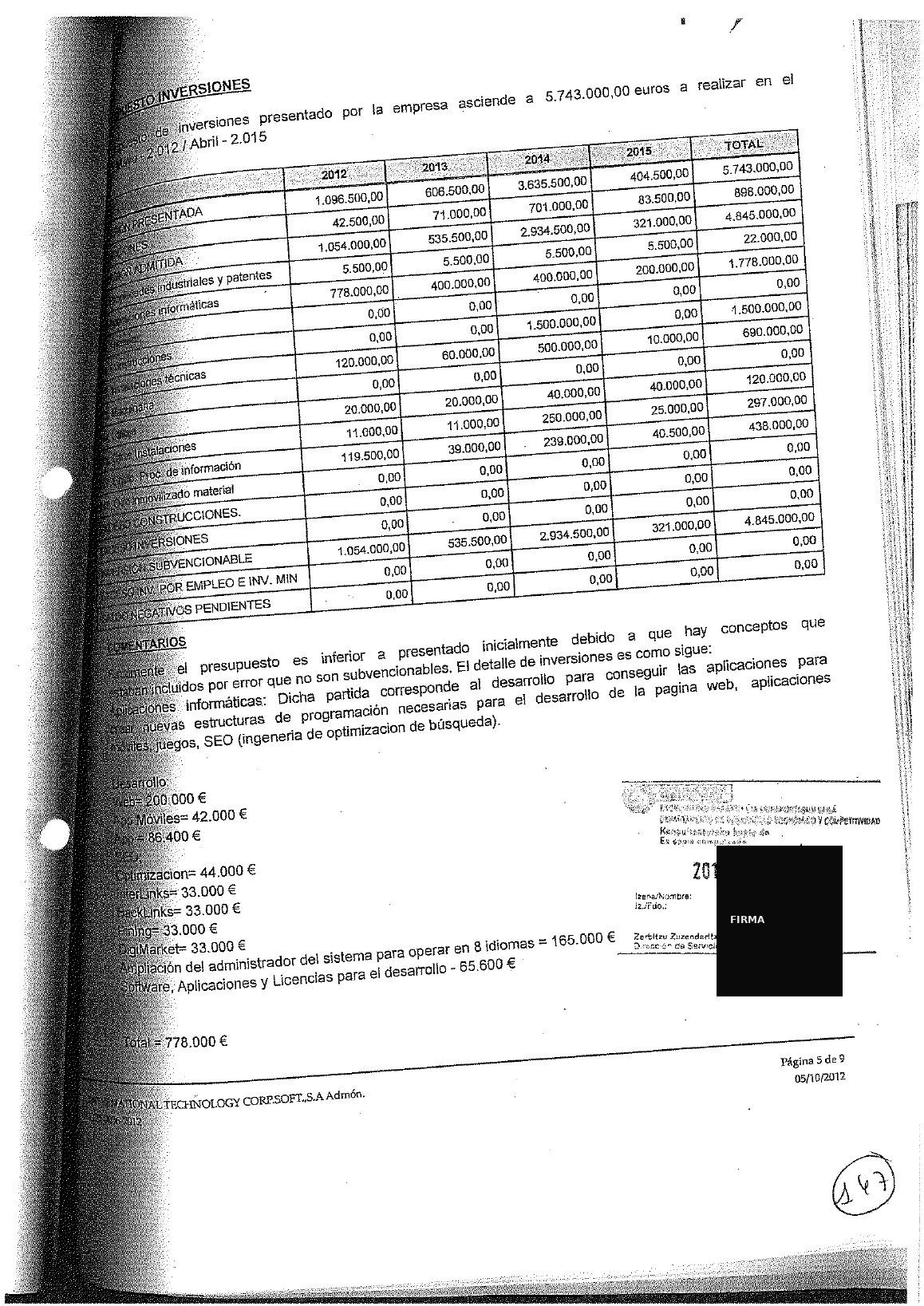
In the publications of the compendium there is no contrast with the public documents of the case: neither the date of incorporation of the company (A.1), nor the inspections and payments of the Administration (A.5), nor the complainant's statement at the plenary (A.22). The published account reproduces the prosecution's version without the pieces that contradict it — all of them accessible.
The documented effect
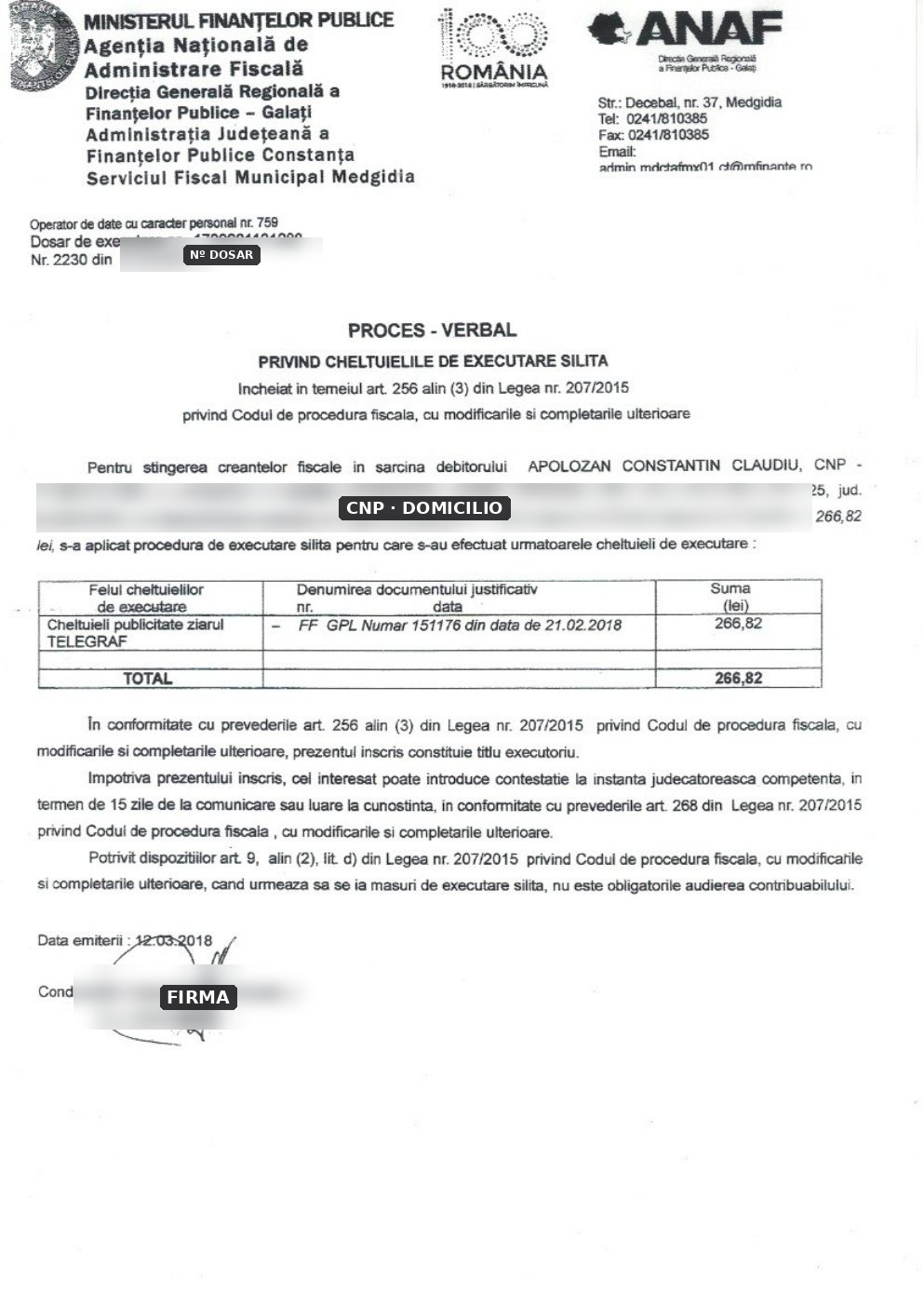
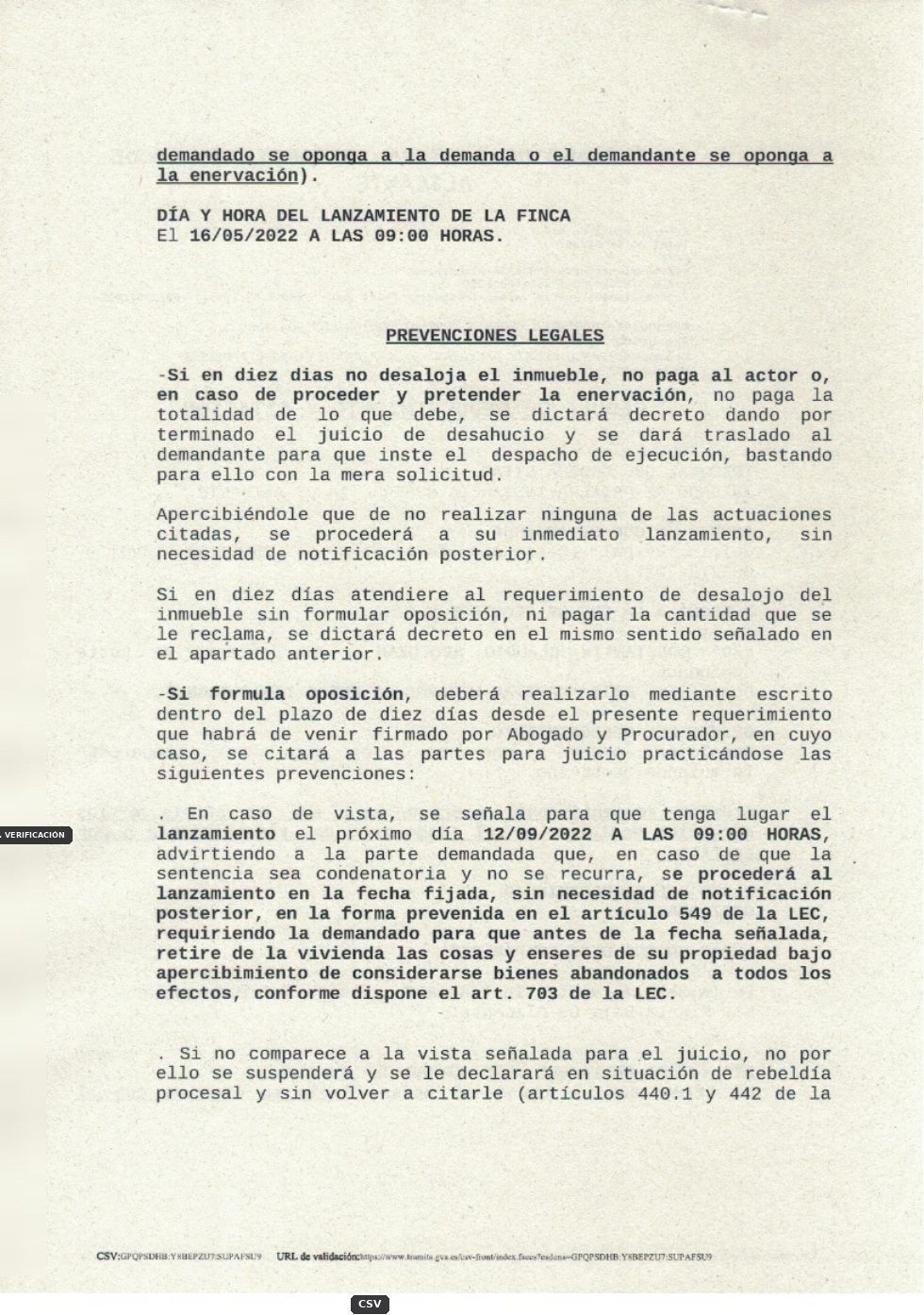
The dissemination in two countries accompanied in time the patrimonial enforcement in both (A.41) and preceded the eviction (A.55). For the dimension of the harm — honour, family life, professional capacity — Article 8 of the ECHR provides the framework that the European instances will examine.
How to verify it
Order the pieces by date and place them over the chronology of pending appeals (A.30, A.32, A.36). Then look in any of them for a mention of the deeds, the inspections or the complainant's statement. The absence is verifiable piece by piece.
Documentary evidence · A.27 · 12 September 2021 · Main documentary reconstruction
EuroFraud case file · every statement links to its document (A.X / DOC-XXXX). Evidentiary material; every person named is presumed innocent.