THE VERTICAL CLOSURE: CASSATION AND CONSTITUTIONAL APPEAL
Apolozan case · ERDF fraud (Bilbao / Alicante / EU)
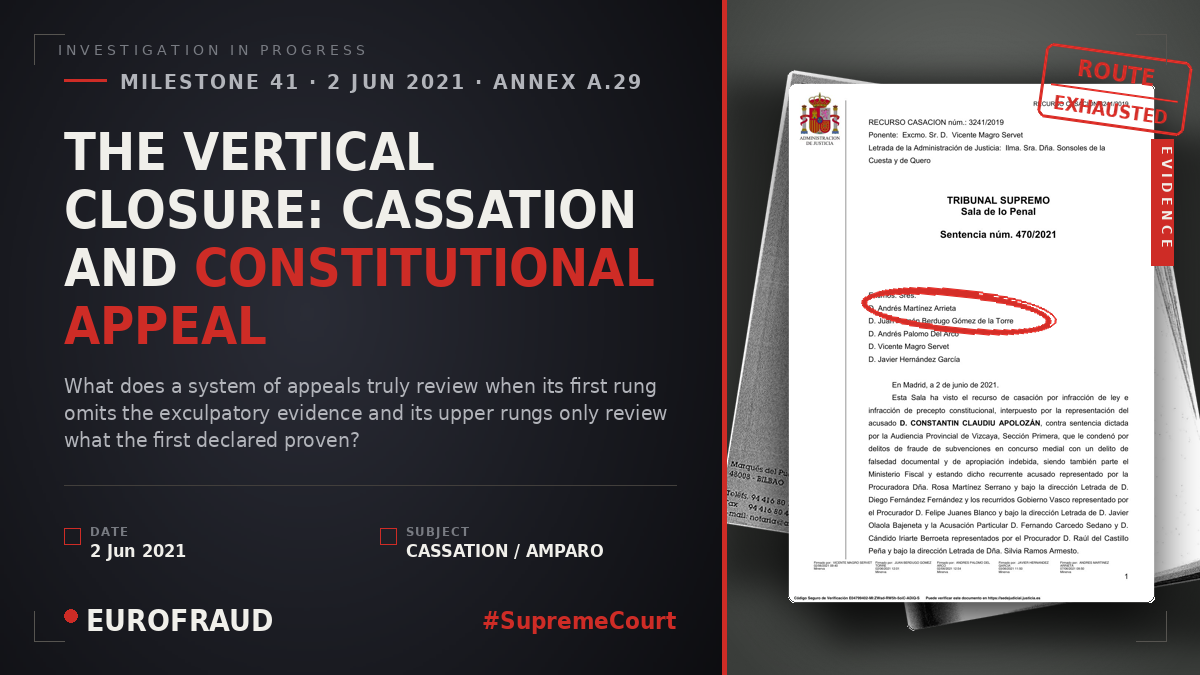
Against judgment 21/2019, the defence travelled the path the rule of law marks out: cassation before the Supreme Court and, afterwards, a constitutional appeal before the Constitutional Court.
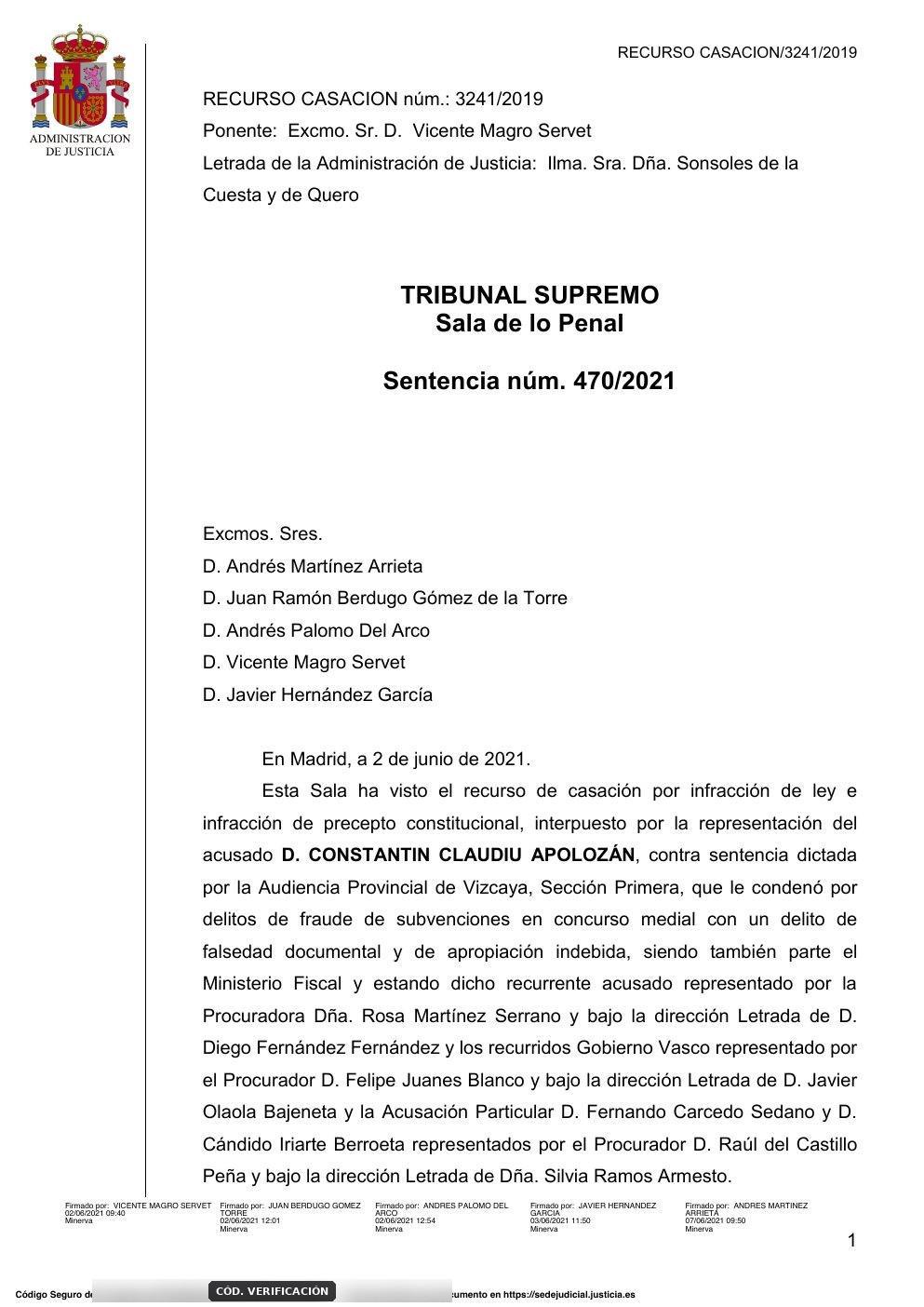
The Criminal Chamber of the Supreme Court ruled on 2 June 2021 (A.29). Its judgment did not review what this Story has documented — it did not confront the registry pages of the calendar impossibility, nor the Basque Government's own audits, nor the complainant's trial acknowledgement, nor the integrity of the audiovisual medium on which the trial record rested. Cassation, by construction, reviews the application of the law to the facts the lower instance declared proven: if the proven facts were born of an assessment that omitted the exculpatory evidence, the higher filter inherits the omission instead of correcting it. That, exactly, is what the file shows.
The constitutional appeal met the statistically usual fate of such appeals (A.51): inadmission. The Constitutional Court rejects more than 98% of the appeals it receives, most for "lack of special constitutional significance" — a filter that does not examine whether the violation existed, but whether it is of interest to examine it.
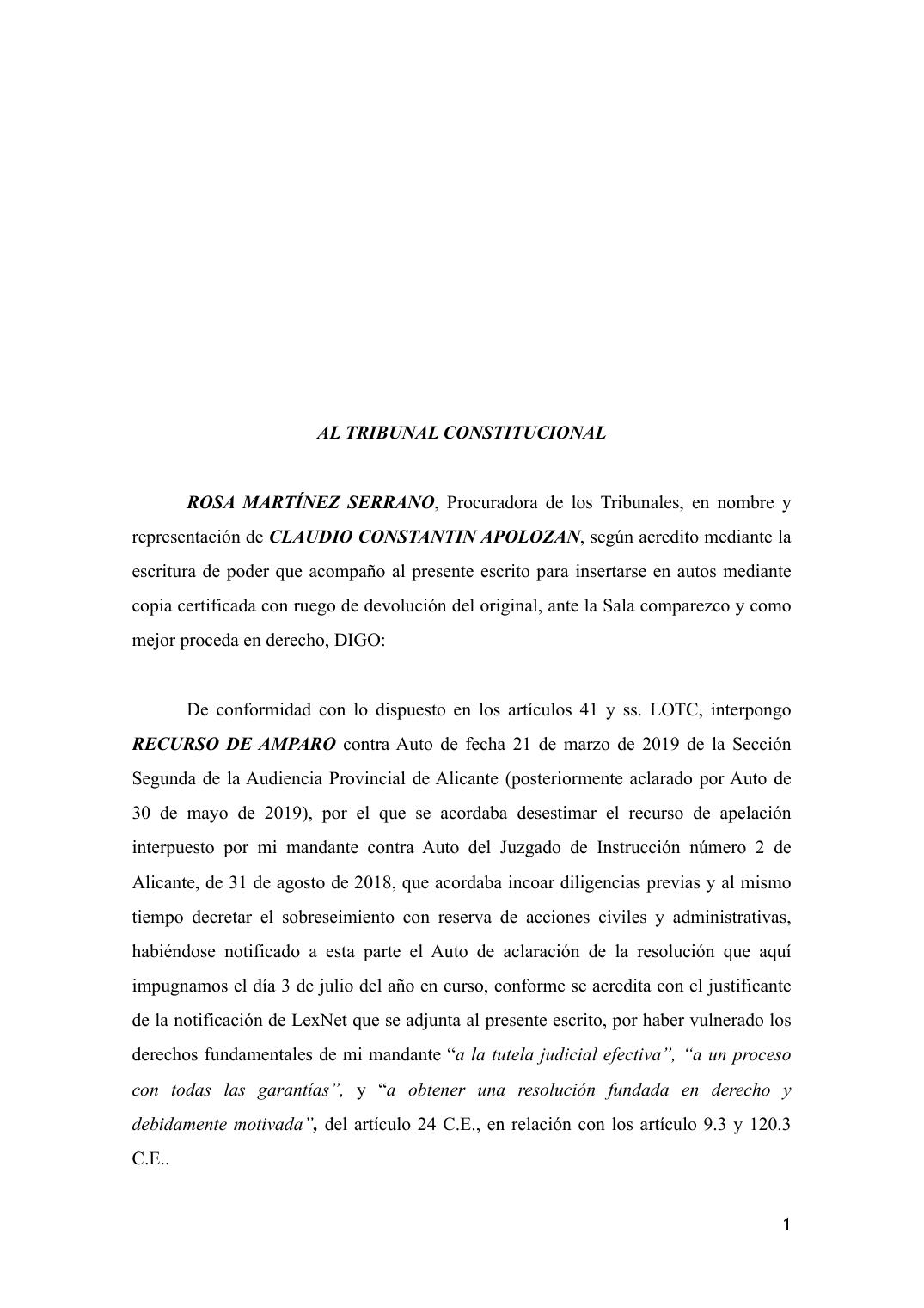
With that, the domestic avenue was formally exhausted. It is worth fixing what that means, because it is the prerequisite of everything that follows: from here on, no Spanish court would look at the merits again. The documentary pieces of this portal — all those the instances did not weigh — were ready for the only ground that remained: Europe.
EuroFraud case file · every statement links to its document (A.X / DOC-XXXX). Evidentiary material; every person named is presumed innocent.