THE MAN WHO CAME TO BUILD A HOUSE
Apolozan case · ERDF fraud (Bilbao / Alicante / EU)
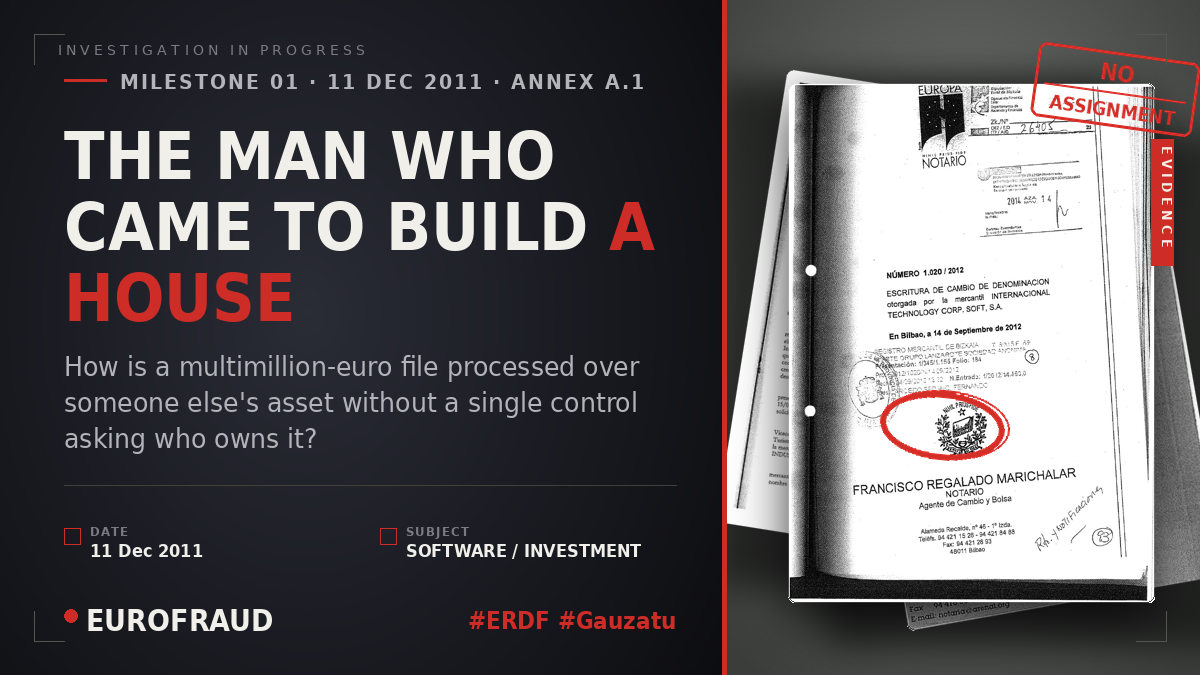
Claudiu Apolozan came to the Basque Country for the usual reason: a building site. On 11 December 2011 he signed the contract to build a 900-square-metre house in Sopelana, and organised himself the way he did in every province — flats rented for him and his workers, seasons spent at the foot of the site, his home in Alicante. A builder of the kind who lives where the work is: Bilbao today, Cádiz yesterday, Madrid tomorrow. In Bizkaia he left only one administrative trace: his registration as a self-employed construction worker.
The man who opened the doors for him was no stranger. Fernando Carcedo and he had known each other since 2006, from another job — an aeronautical-parts factory in Vitoria. Five years of dealings. Carcedo even offered him his own house in Lezama, the Caserío Larrakoetxe 13, to stay in while the work lasted. Keep that address in mind: it will reappear in this story, and not exactly as a gesture of hospitality.
Apolozan brought more than his trade. Since 2008 he had been developing, with his brother, a software project —a dating platform, first VIP Contact, then mildeseos.com— to which he devoted whatever the building site left free. In the following months, that project would go from coffee-table conversation to the central asset of a multimillion-euro public file.
With one particularity the reader can verify for themselves: in that entire file there is not a single assignment contract, power of attorney or authorisation signed by the author of the software. The operation that follows was built entirely on the intellectual work of a man whose signature no one ever asked for.
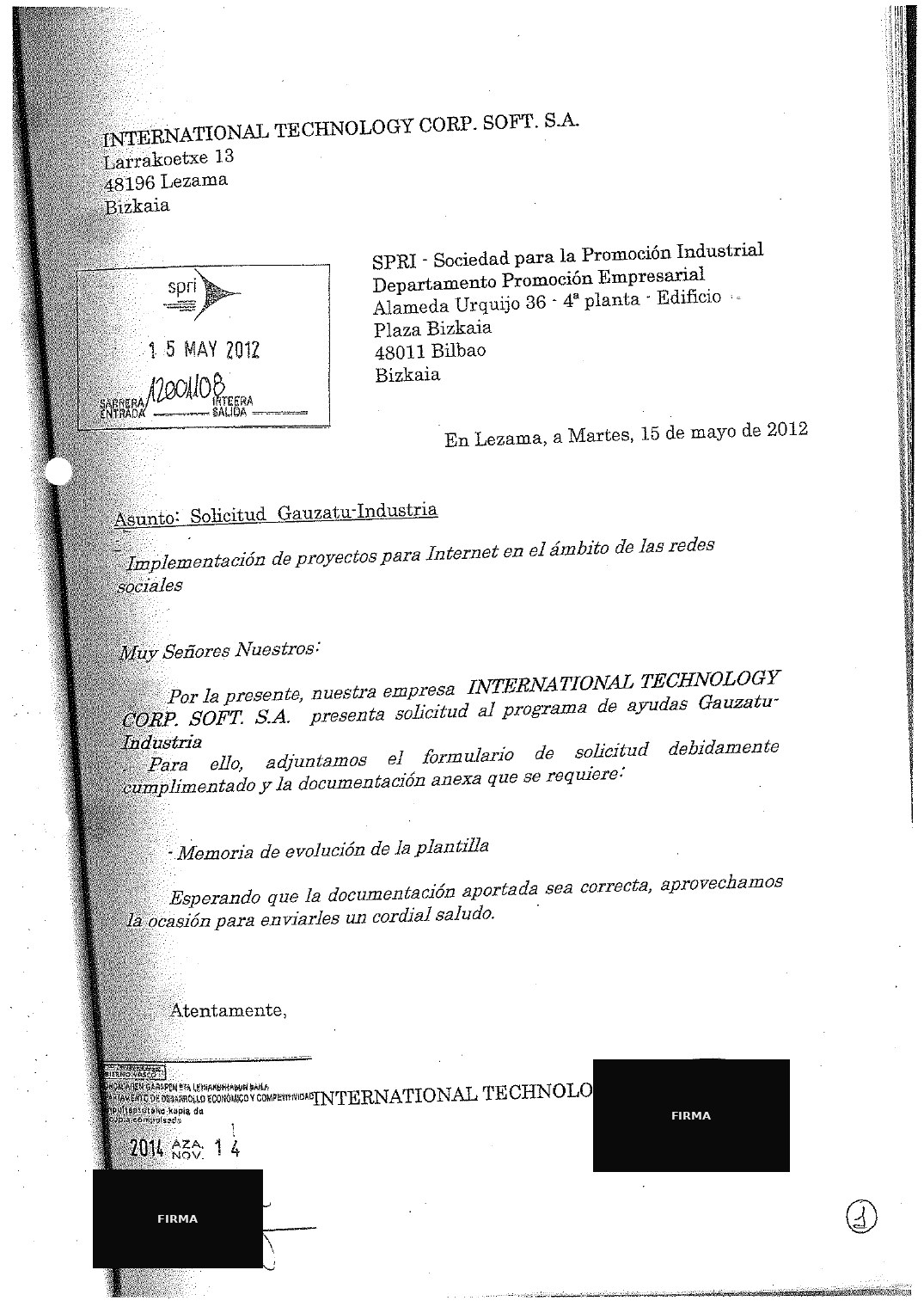
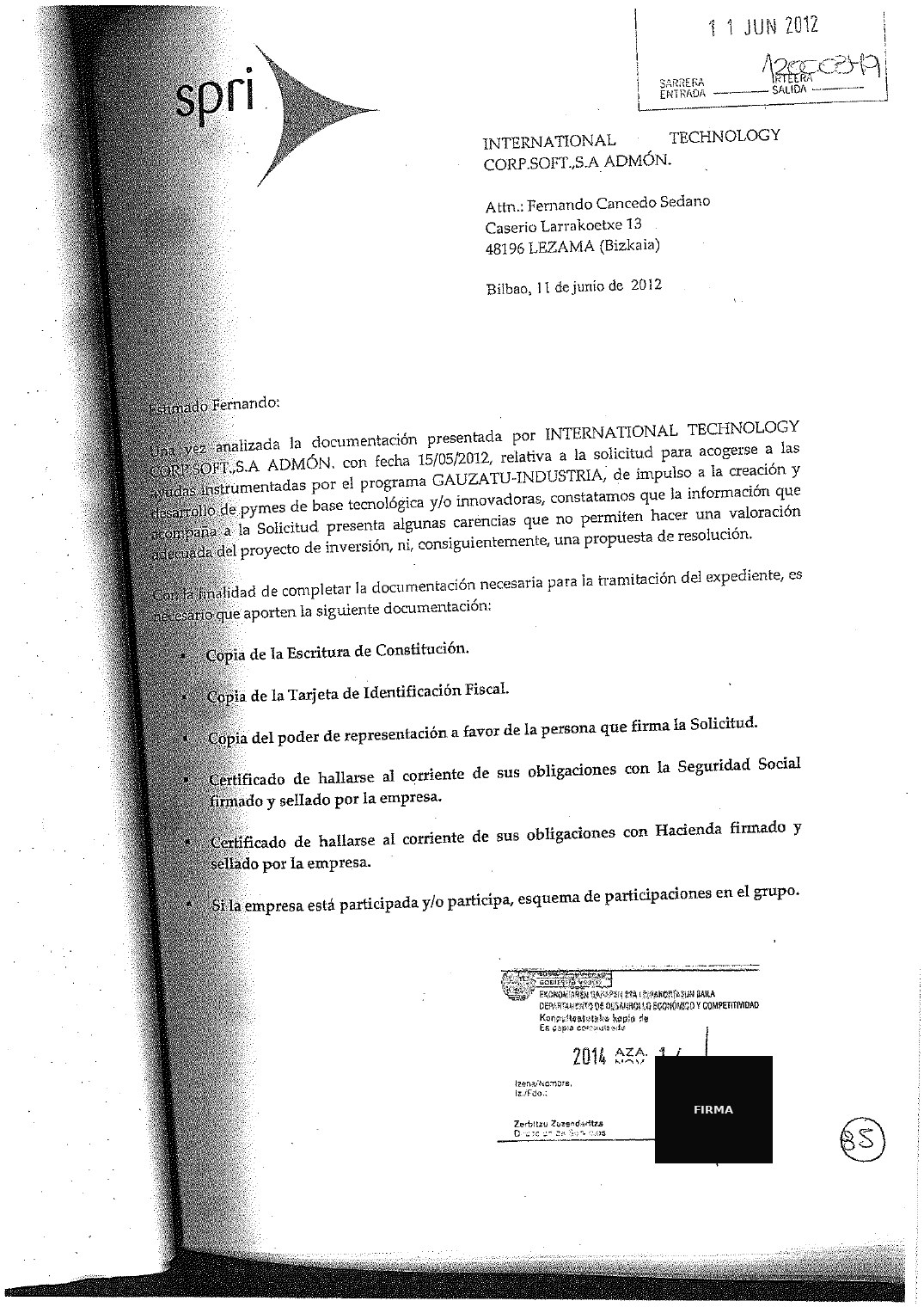
EuroFraud case file · every statement links to its document (A.X / DOC-XXXX). Evidentiary material; every person named is presumed innocent.